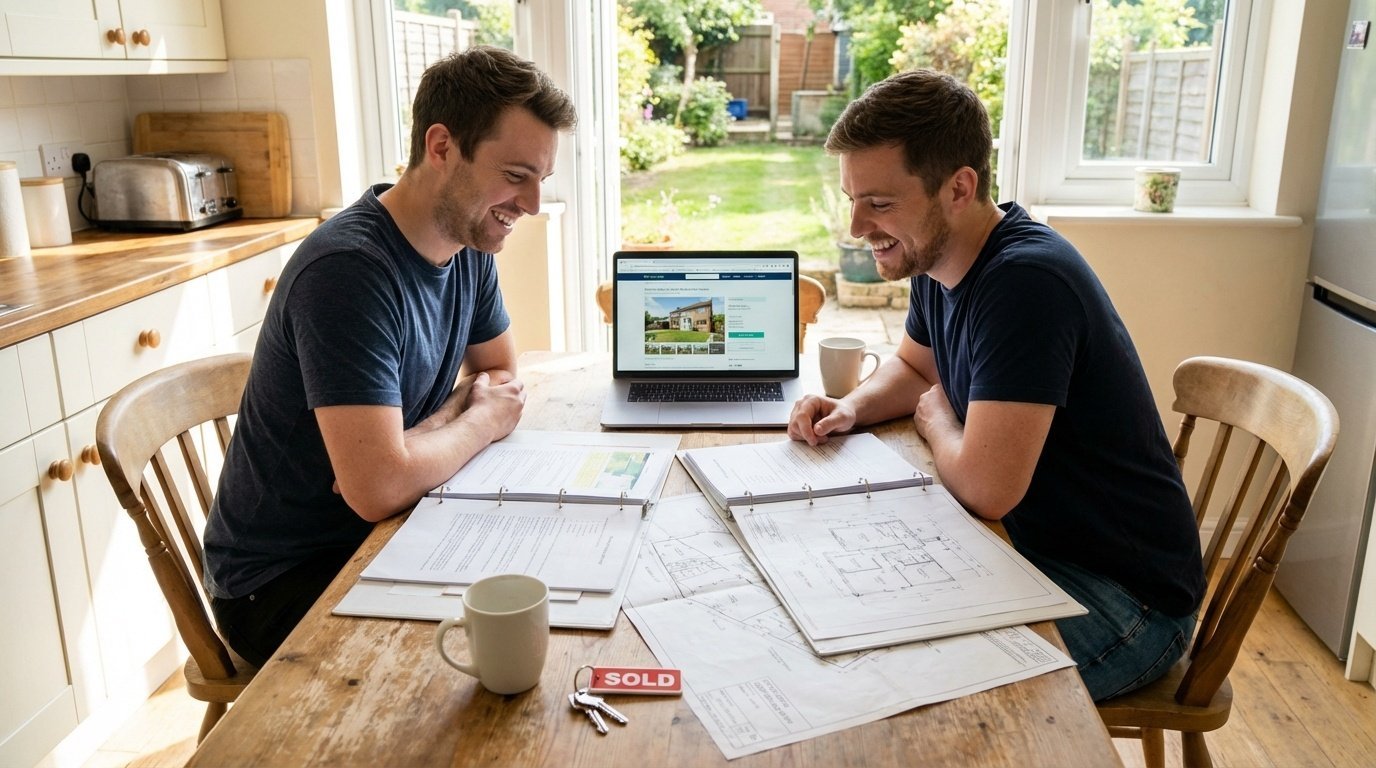
Buying your first property is exciting, but it can also feel overwhelming. One of the most important steps in the property purchase process is getting a professional property survey. Yet many first-time buyers skip this crucial step or don't fully understand what surveys involve. This comprehensive guide from our RICS accredited surveyors at Ashford Surveyors explains everything you need to know about property surveys when buying your first home.
Why Do First-Time Buyers Need a Property Survey?
When you're buying a property in Ashford, Maidstone, Canterbury, or anywhere across Kent, you're making probably the biggest financial commitment of your life. A property might look perfect on viewing, but hidden problems can cost thousands - or even tens of thousands - to fix. That's where property surveys come in.
A professional building survey from experienced surveyors identifies structural issues, potential concerns with damp or water ingress, problems with the roof, and other defects that aren't visible to untrained eyes. Our building surveyors have seen countless cases where a survey has saved buyers from making costly mistakes.
Real Example: We recently surveyed a charming Victorian terrace in Ashford for first-time buyers. While the property looked lovely, our inspection revealed significant structural movement in the rear extension, estimated at £15,000 to repair. The buyers used our survey report to renegotiate the price, saving more than enough to cover both the repair costs and the survey costs.
What Your Mortgage Valuation Doesn't Cover
Many first-time buyers mistakenly believe their mortgage lender's valuation is sufficient. However, a mortgage valuation is not a survey. The valuation is a basic check that the property is worth enough to secure the loan - it's done for the lender's protection, not yours.
A mortgage valuation typically takes just 15-20 minutes and won't identify many issues that could affect your property's condition. Problems like subsidence, damp, roof defects, or electrical issues often go unnoticed in a basic valuation. Only a proper building survey or homebuyer report from RICS surveyors provides the comprehensive inspection you need to make informed decisions.
Types of Property Surveys Explained
Understanding the different types of surveys available is essential for first-time buyers. The Royal Institution of Chartered Surveyors (RICS) standardizes survey types in the UK, making it easier to choose the right option for your needs.
RICS Level 2 Homebuyer Report
The RICS Level 2 survey, also called a homebuyer report, is the most popular choice for first-time buyers purchasing modern properties built after 1900 in reasonable condition. This survey type offers good value while providing important information about your property's condition.
What's included in a homebuyer report:
- Visual inspection of all accessible areas of the property
- Assessment of the property's condition using a traffic light system (red for urgent issues, amber for attention needed, green for no problems)
- Identification of urgent defects requiring immediate attention
- Advice on repairs and ongoing maintenance
- Market valuation of the property
- Buildings insurance reinstatement cost
- Clear, standardized report format easy for first-time buyers to understand
A RICS Level 2 survey is perfect if you're buying a conventional property that appears to be in reasonable condition. Our building surveyors typically recommend this option for properties like standard terraced houses, semi-detached homes, or modern flats built with traditional methods.
RICS Level 3 Building Survey
A RICS Level 3 building survey (formerly called a full structural survey) is the most comprehensive type of property survey available. This detailed survey is essential for older properties, listed buildings, properties with visible problems, or homes you plan to renovate.
What a full building survey includes:
- Extensive inspection of all accessible parts of the property
- Detailed analysis of the property's construction and condition
- In-depth assessment of structural issues, damp, subsidence, and defects
- Comprehensive advice on repairs with estimated costs
- Detailed photographs of issues identified
- Technical information about construction methods and materials
- Expert advice on maintenance and potential future problems
While survey costs for a Level 3 report are higher than a homebuyer report, the investment is worthwhile for complex properties. Our chartered surveyors frequently conduct building surveys on period properties in Canterbury and historic buildings throughout Kent, where the additional detail proves invaluable for buyers.
Specialist Surveys
Sometimes, you might need additional specialist surveys alongside your main survey. These include:
- Electrical Survey: Checks the safety and condition of wiring and electrical installations
- Drainage Survey: Uses cameras to inspect drains and sewers for blockages or damage
- Damp Survey: Detailed investigation of moisture problems using specialist equipment
- Timber Survey: Identifies rot, woodworm, and other timber defects
Your surveyor will recommend specialist surveys if they identify concerns during the main inspection. At Ashford Surveyors, we can arrange these additional surveys or recommend trusted specialists.
Choosing the Right Survey for Your Property
As a first-time buyer, deciding between a RICS Level 2 and Level 3 survey can feel confusing. Here's our expert advice based on years of surveying residential properties across Kent:
Choose a RICS Level 2 Homebuyer Report if:
- The property was built after 1900
- It appears to be in reasonable condition with no obvious defects
- It's a standard construction type (brick walls, tiled roof, etc.)
- You're working with a tighter budget
- The property is a standard house, flat, or bungalow
Choose a RICS Level 3 Building Survey if:
- The property was built before 1900
- You've noticed cracks, damp patches, or other visible problems
- The property has unusual construction features
- You're planning significant renovations or alterations
- The property is listed or located in a conservation area
- You want the most comprehensive inspection possible
Still unsure? Contact our experienced surveyors for advice. We're happy to discuss your specific property and recommend the most appropriate survey type based on its characteristics and your requirements.
How to Choose a Chartered Surveyor
Not all surveyors are created equal. When you're a first-time buyer making such an important investment, choosing the right building surveyor matters enormously. Here's what to look for:
Check RICS Accreditation
Always use RICS accredited surveyors. The RICS (Royal Institution of Chartered Surveyors) is the gold standard in property surveying. RICS registered professionals must meet strict training requirements, maintain professional insurance, and follow codes of conduct. If something goes wrong, you have recourse through RICS's complaints procedure.
Look for Local Knowledge
Local surveyors who know the area understand regional property characteristics. Our team at Ashford Surveyors has conducted thousands of surveys across Kent. We know the common issues affecting properties in Ashford and the surrounding areas, from local building methods to soil conditions that might affect subsidence risk.
A surveyor in Ashford who regularly inspects Kent properties will spot regional issues that someone unfamiliar with the area might miss. Local knowledge means more accurate assessments and better advice.
Ensure They're Independent
Use an independent practice rather than surveyors tied to estate agents or lenders. Independent surveyors work solely for you, with no conflict of interest. At Ashford Surveyors, we're a family run, independent practice committed to providing unbiased expert advice.
Read Reviews and Testimonials
Check what previous clients say. Look for surveyors with positive reviews from other first-time buyers. Reviews mentioning clear communication, thorough inspections, and helpful advice are good signs.
Ask About Qualifications and Experience
Don't be afraid to ask about your surveyor's qualifications and experience. How long have they been surveying? Do they have experience with your type of property? Our team at Ashford Surveyors includes experienced surveyors with decades of combined experience in residential surveying.
Understanding Survey Costs
Property survey costs are an important consideration for first-time buyers already stretching their budget. However, the cost of a survey is tiny compared to potential repair bills if you buy a property with hidden defects.
Typical Survey Costs in 2024
Survey costs vary based on property size, location, and survey type:
- RICS Level 2 Homebuyer Report: Typically £400-£900 depending on property value and size
- RICS Level 3 Building Survey: Usually £600-£1,500 or more for larger or complex properties
- RICS Valuation: Often £250-£500 for standard residential properties
While these figures might seem expensive when you're counting every penny as a first-time buyer, consider this: our building surveyors regularly identify defects costing £5,000, £10,000, or even £50,000+ to repair. A survey costing £600 could save you tens of thousands.
Can You Negotiate on Survey Costs?
Some first-time buyers ask if they can negotiate on survey costs. While we understand budgets are tight, remember that quality matters. A thorough survey from RICS-accredited surveyors with extensive experience provides far more value than a cheap survey that misses crucial defects.
That said, we offer competitive pricing at Ashford Surveyors. We're transparent about costs and explain exactly what's included. No hidden fees, no surprises - just honest, professional service.
What Happens During a Property Survey?
Understanding what to expect during the survey process helps first-time buyers feel more confident. Here's how a typical building survey or homebuyer report works:
Before the Survey
Once you accept our quote and book your survey, we'll need some basic information about the property. We'll coordinate with the estate agent to arrange access, usually agreeing on a time that works for everyone involved.
You don't normally need to attend the survey, but you're welcome to if you'd like. Some first-time buyers find it helpful to be there, as it gives them a chance to ask questions and understand the property better.
During the Survey Inspection
Our surveyor will conduct a thorough inspection of the property. For a homebuyer report, this typically takes 2-3 hours. A full building survey of a larger or older property might take 3-5 hours or more.
The surveyor will examine all accessible areas, including:
- The roof (from ground level and, where safe, closer inspection)
- Roof spaces and loft areas
- Walls, both external and internal
- Floors, foundations, and basement areas
- Windows and doors
- Plumbing and heating systems
- Electrical installations (visual inspection only)
- Drainage and guttering
- Outbuildings, garages, and boundary walls
The surveyor uses professional equipment to assess the property's condition, taking measurements, photographs, and detailed notes. They'll check for structural issues, signs of damp or water ingress, evidence of subsidence, roof defects, and any other potential concerns.
After the Survey
Following the inspection, our experienced surveyors prepare your comprehensive report. We aim to deliver reports within 5-7 working days, though we can often provide them faster if you're working to tight deadlines.
The survey report will detail all findings, with clear explanations of any issues identified. For homebuyer reports, the traffic light system makes it easy to understand which issues are urgent (red), need attention (amber), or are minor (green).
Understanding Your Survey Report
When your survey report arrives, it might seem daunting at first. Don't panic if issues are identified - very few properties are perfect. Here's how to interpret your report:
Red Items - Urgent Action Required
Red issues are serious defects requiring urgent attention. These might affect structural integrity, safety, or pose significant health risks. Examples include major structural issues, serious damp problems, unsafe electrical installations, or roof defects allowing water penetration.
If your survey identifies red items, don't automatically walk away from the property. Instead, get quotes for repairs and consider negotiating the property price or asking the seller to carry out repairs before completion.
Amber Items - Attention Needed
Amber issues need attention but aren't immediately urgent. These might include things like worn roofing that will need replacing in the next few years, old windows needing renovation, or damp issues requiring investigation.
Budget for these repairs in your financial planning. Understanding the likely costs helps you make informed decisions about whether the property is still affordable.
Green Items - No Current Issues
Green ratings indicate no significant problems detected. However, remember that all properties require ongoing maintenance. Your survey report will include advice on keeping your property in good condition.
What to Do If Issues Are Found
If your building survey identifies concerning issues, you have several options:
- Renegotiate the price: Use the survey findings to negotiate a lower purchase price reflecting repair costs
- Ask the seller to fix problems: Request that specific defects are remedied before completion
- Proceed anyway: If you love the property and the issues are manageable, proceed with your eyes open about future costs
- Walk away: If problems are too serious or expensive, it's better to withdraw than buy a problem property
Our surveyors are always available to discuss your report, answer questions, and provide advice on next steps. We want you to feel confident about your decisions.
Common Issues Found in Property Surveys
From our extensive experience surveying residential properties across Kent, here are the most common issues we find:
Damp and Moisture Problems
Damp is probably the single most common issue in building surveys. It can range from minor condensation problems to serious rising damp or penetrating damp requiring significant repairs. Our surveyors identify the type and cause of damp, providing expert advice on treatment.
Roof Defects
Roof problems are among the costliest to fix. Common issues include missing or slipped tiles, damaged flashing, defective guttering causing water ingress, and aging roof coverings nearing the end of their life.
Subsidence and Structural Movement
While less common than damp or roof issues, subsidence can be serious. Signs include cracks wider than a pencil width, especially diagonal cracks near windows and doors, or stepped cracking in brickwork. Our building surveyors assess whether movement is ongoing or historic and stable.
Electrical and Plumbing Issues
Outdated electrical systems or plumbing can be safety hazards. While surveyors can't test electrical installations (that requires a qualified electrician), we can identify old wiring, insufficient sockets, or dangerous DIY work requiring professional attention.
Japanese Knotweed
This invasive plant can affect mortgageability and is expensive to eradicate. Our experienced surveyors are trained to identify Japanese knotweed and advise on implications for your property purchase.
Making the Most of Your Property Survey
To get maximum value from your survey as a first-time buyer:
- Read the entire report carefully: Don't just skim the summary - understanding all findings helps you make better decisions
- Ask questions: If anything is unclear, contact your surveyor. We're here to help and are happy to explain findings
- Get repair quotes: For identified issues, obtain quotes from qualified tradespeople to understand actual costs
- Plan for the future: Use the survey report to plan maintenance and budget for future repairs
- Don't ignore minor issues: Small problems can become big ones if neglected
Frequently Asked Questions from First-Time Buyers
Do I legally need a property survey?
No, property surveys aren't legally required in England. However, buying without a survey is extremely risky. The small investment in a professional survey could save you enormous costs and stress.
Can I use the seller's survey?
While sellers sometimes offer to share their survey, we recommend getting your own. The seller's survey was commissioned for them, and you won't have the same legal protection if issues arise. Independent surveys from RICS surveyors working for you provide peace of mind.
How long does a survey take?
The inspection itself takes 2-5 hours depending on property size and survey type. The full survey report is typically delivered within 5-7 working days, though we can expedite this if you're working to tight deadlines in your property purchase.
What if I'm buying a new build?
Even new properties benefit from professional inspection. New build snagging surveys identify defects, incomplete work, and issues not meeting building regulations. Builders often fix problems identified before you complete, saving hassles later.
Can a survey affect my mortgage?
If significant defects are found, mortgage lenders might reduce the loan amount, require repairs before lending, or decline the application. While this might seem frustrating, it actually protects you from borrowing to buy a property with serious problems.
Conclusion: Invest in Professional Survey Advice
As a first-time buyer, a professional property survey is one of the most important investments you'll make. The survey costs are minimal compared to your property purchase price and potential repair bills. Our RICS-accredited surveyors at Ashford Surveyors provide comprehensive reports with clear communication, helping you make informed decisions about your property journey.
We understand how stressful buying your first property can be. Our experienced surveyors take time to explain findings, answer questions, and provide expert advice tailored to your situation. Whether you're buying in Ashford, Maidstone, Canterbury, or anywhere across Kent, we're here to help with professional surveying services you can trust.
Ready to book your property survey? Contact Ashford Surveyors today for a free quote. Our building surveyors are ready to help you buy your first home with confidence.
Looking for more property advice? Browse our blog for expert insights on property surveys, common defects, and buying tips from experienced surveyors.