A property can look perfect during viewings - freshly painted walls, tidy gardens, everything seemingly in order. Yet beneath the surface, serious defects might be lurking, ready to cost you thousands once you've completed the purchase. This is why professional building surveys from experienced surveyors at Ashford Surveyors are so valuable. We don't just look at what's visible; we investigate what's hidden.
Over years of conducting surveys across Kent, our chartered building surveyors have seen it all. Properties that appeared flawless to buyers often harbor significant problems that only professional inspection reveals. Let me share the ten most common hidden defects we find, explaining how we detect them and what they mean for property buyers.
1. Concealed Damp and Water Ingress
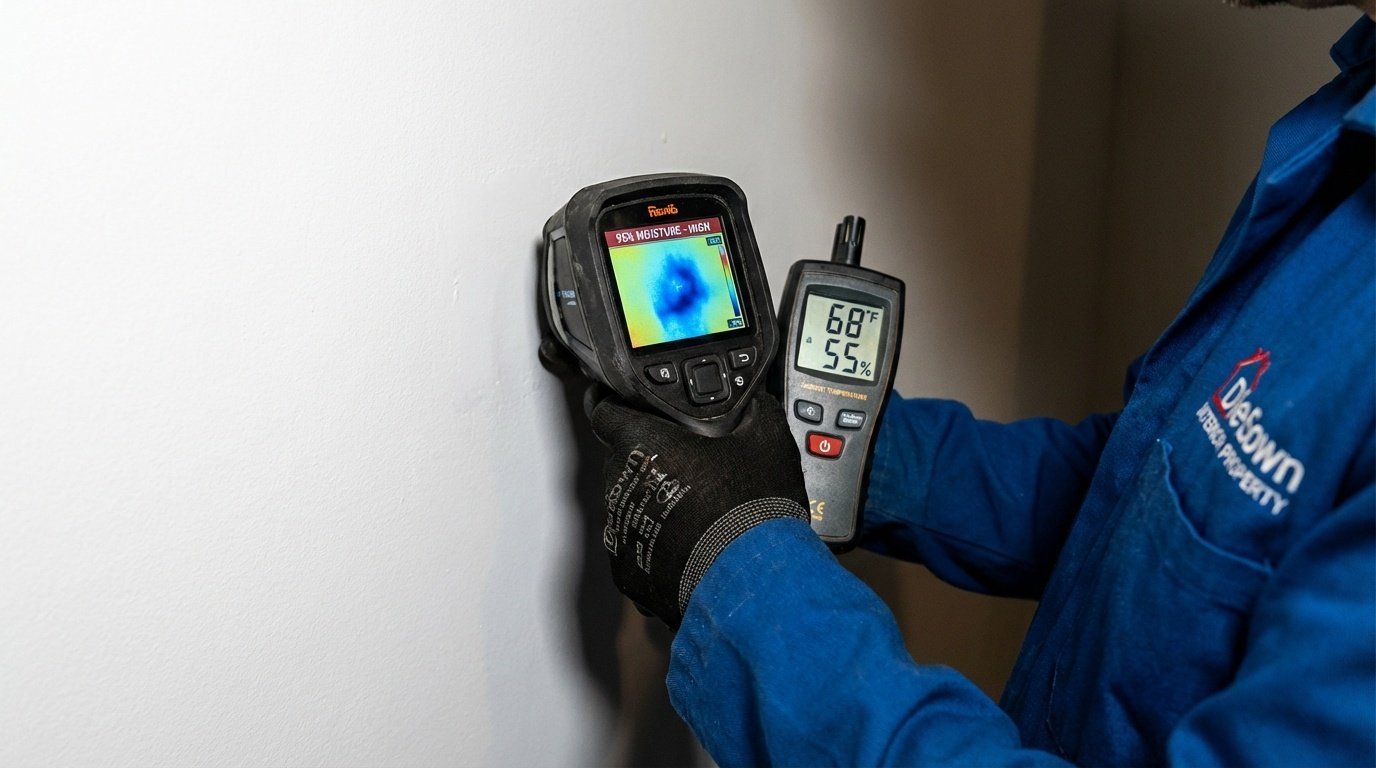
Damp is the hidden enemy of properties, and sellers often disguise it with fresh paint or new wallpaper. Visible damp stains disappear under decoration, but the underlying problem remains. Our RICS surveyors use moisture meters and thermal imaging cameras to detect damp that isn't visible to the naked eye.
How We Detect Hidden Damp
Professional surveying equipment reveals moisture where you can't see it. Moisture meters measure water content in walls, floors, and ceilings. Thermal imaging shows cold spots indicating damp areas and water ingress paths through building fabric. We also look for telltale signs: musty smells that indicate hidden mold, soft or spongy plaster under fresh paint, tide marks at skirting board level, and discoloration bleeding through new decoration.
Why Hidden Damp Matters
Damp isn't just cosmetic. It damages timber, causing rot in joists and floorboards. Structural elements weaken over time. Mold growth affects indoor air quality and health. Treating serious damp problems costs thousands, often requiring removal of finishes to access the source, specialist damp-proofing treatments, and complete redecoration after repairs.
Real Example: We surveyed a Victorian terrace in Canterbury where the living room had been beautifully decorated. Our moisture meter showed high readings in the external wall. Further investigation revealed rising damp that fresh paint and wallpaper had temporarily hidden. The treatment cost exceeded £4,000, which the buyers negotiated off the purchase price.
2. Covered-Up Structural Movement
Cracks in walls often indicate structural movement or subsidence. Sellers sometimes fill and paint over cracks, hoping buyers won't notice. Our building surveyors know what to look for and can spot disguised structural issues during thorough inspections.
Identifying Disguised Cracks
We examine walls from multiple angles and lighting conditions, feeling for filled areas and looking for paint texture differences. Recent decoration over specific areas raises questions. We check if cracks reappear through new paint - a sign of ongoing movement. External inspection reveals problems internal decoration hides.
Understanding Structural Movement
Not all cracks are serious. Minor settlement cracks are normal in older properties. However, some cracks indicate significant problems: diagonal cracks, especially near windows and doors, stepped cracks in brickwork following mortar joints, horizontal cracks in walls, and cracks wider than a pencil width. Our experienced surveyors assess whether movement is historic and stable or ongoing and worsening.
The Subsidence Risk
Subsidence - where foundations sink into the ground - is one of the most serious structural issues. Causes include clay soil shrinkage from nearby trees, leaking drains eroding soil beneath foundations, and mining or other ground instability. Professional surveys identify signs of subsidence that sellers might attempt to conceal.
Treating subsidence is expensive, often costing £10,000-£50,000 or more. Insurance companies are reluctant to cover properties with subsidence history, affecting mortgageability and resale value. Our building survey service includes detailed structural assessment to identify these hidden problems.
3. Roof Problems Hidden by Access Issues
Roof spaces often hide serious defects because most buyers never access them. Sellers rarely repair roof problems if buyers won't see them. Our surveyors always inspect roof spaces where accessible, using ladders and proper safety equipment.
Common Hidden Roof Issues
Inside roof spaces, we frequently find: missing or inadequate insulation reducing energy efficiency, timber decay from water ingress or poor ventilation, evidence of previous leaks that might recur, damaged or sagging roof structure, inadequate ventilation causing condensation, pest infestation in timbers, and DIY electrical work that's unsafe.
The Water Damage Trail
Water entering through roof defects follows predictable paths. Stains on roof timbers show where water has penetrated. Damp insulation indicates ongoing leaks. Mold on roof space surfaces suggests ventilation problems. Even if roof coverings have been repaired, damage from previous leaks remains visible to experienced surveyors conducting thorough inspections.
Cost Implications
Roof repairs are among the costliest property improvements. Re-roofing a typical house costs £5,000-£15,000. Structural timber repairs add thousands more. Our surveys identify these problems before you commit to purchase, giving you negotiating power or the option to walk away.
4. Electrical Installation Dangers
Outdated or dangerous electrical installations often hide behind walls and in cupboards. While building surveyors can't test electrical systems (that requires qualified electricians), we identify visible problems and installations needing professional electrical surveys.
Warning Signs We Spot
Our chartered surveyors look for old wiring types indicating outdated installations, insufficient socket outlets suggesting overloading risk, lack of RCD protection (modern safety requirement), DIY electrical work not complying with regulations, damaged fittings or loose connections, and absence of recent electrical safety certificates.
The Hidden Cost of Rewiring
Complete rewiring costs £3,000-£10,000 depending on property size. This major work involves lifting floors, channeling walls, and complete redecoration throughout. Properties with old wiring often need rewiring before remortgaging or selling. Identifying electrical issues during your survey helps you budget for necessary work.
Safety First
Electrical problems aren't just expensive - they're dangerous. Outdated wiring increases fire risk. Lack of safety features means electric shocks are more likely. Our survey reports recommend electrical inspections where we identify concerns, protecting your safety and investment.
5. Concealed Drainage Problems
Underground drainage is invisible during property viewings. Sellers might know about drainage issues but hope buyers won't discover them. Our building surveyors look for indicators of drainage problems during inspections.
Surface Clues to Underground Problems
We check for damp patches in gardens near drain runs, unpleasant smells around property perimeter, ground subsidence over drain lines, manholes that are difficult to open, and slow-draining sinks, baths, and toilets. These signs often indicate drainage defects requiring expensive repairs.
Why Drainage Matters
Drainage problems cause multiple issues. Blocked drains back up into the property. Leaking drains erode foundations, potentially causing subsidence. Sewage contamination in gardens creates health hazards. Tree roots invading drains cause persistent blockages.
CCTV Drainage Surveys
Where our building survey identifies drainage concerns, we recommend specialist CCTV drainage surveys. Cameras inspect pipes underground, revealing cracks, blockages, collapsed sections, and root ingress. While adding cost to your survey budget, drainage surveys prevent expensive surprises after purchase. Repairing or replacing drainage costs £1,000-£5,000+ depending on the problem extent.
6. Timber Defects and Infestations
Timber problems hide in floor voids, roof spaces, and within structural elements. Woodworm, rot, and decay weaken structural timber, yet most buyers never see affected areas. Our surveyors examine accessible timber throughout properties during inspections.
Types of Timber Problems
We identify various timber issues: woodworm (beetle infestation) in floorboards and joists, wet rot in timber exposed to moisture, dry rot (the most serious fungal attack), and structural timber decay weakening support elements. Each problem requires different treatments with varying costs.
Detection Methods
Professional surveyors recognize signs that untrained eyes miss: small flight holes indicating active woodworm, soft or crumbling timber suggesting rot, fungal growth on timber surfaces, and musty smells characteristic of dry rot. We probe suspect timber with specialist tools, testing structural integrity.
Treatment Costs and Disruption
Timber treatment is disruptive and expensive. Wet rot treatment requires identifying and fixing the moisture source, removing affected timber, treating surrounding areas, and replacing structural elements. Dry rot is more serious, often requiring extensive timber replacement and specialist treatment costing £2,000-£10,000+.
Woodworm treatment is less expensive but still significant. Chemical treatment of accessible timber costs £500-£2,000. If structural timber is severely affected, replacement costs escalate substantially. Our surveys identify timber problems early, allowing you to factor treatment costs into your purchase decision.
7. Asbestos in Older Properties
Properties built before 2000 might contain asbestos in insulation, ceiling tiles, textured coatings, and other materials. Asbestos isn't always visible and sellers might not know it's present. Our experienced surveyors identify materials that might contain asbestos during inspections.
Where Asbestos Hides
Common locations include: Artex-type textured ceilings, old pipe insulation in basements or roof spaces, garage roofs and cladding, old floor tiles and adhesives, and insulation board behind fuse boxes or storage heaters. We note suspicious materials in survey reports, recommending specialist asbestos surveys where appropriate.
The Asbestos Challenge
Asbestos is safe if undisturbed and in good condition. However, renovating or damaging asbestos materials releases dangerous fibers. If you're planning improvements, knowing about asbestos beforehand is crucial. Professional removal costs £1,000-£5,000+ depending on location and quantity.
Legal and Safety Considerations
While residential properties don't legally require asbestos removal, knowing it's present helps you make informed decisions. Some mortgage lenders require asbestos surveys before lending. When selling, you must inform buyers about known asbestos. Our surveys help you understand what you're buying.
8. Poor Previous Repairs and DIY Work
Bodged repairs often hide bigger problems. Sellers sometimes do quick cosmetic fixes hoping to avoid proper repairs. Our chartered building surveyors recognize substandard work that might fail after purchase, requiring expensive remedial action.
Common Bodge Jobs
We regularly find: plaster patches over structural cracks without addressing movement causes, "temporary" repairs to roofs that leak after purchase, bathroom and kitchen installations done without proper waterproofing, DIY electrical work not meeting regulations, and rendering over damp walls instead of fixing the source.
Why Bodges Matter
Quick fixes delay problems rather than solving them. Issues deteriorate while disguised, becoming more expensive to repair properly. Poor workmanship sometimes causes additional problems - badly fitted bathrooms leak into rooms below, or incorrect electrical work creates fire hazards.
Professional Assessment
Our building surveyors assess repair quality throughout properties. We identify work that doesn't meet proper standards, work hiding underlying defects, and temporary fixes needing proper repair. This expertise comes from years of experience and understanding how buildings should be constructed and repaired. Knowing you're buying bodged repairs helps you budget for doing things properly.
9. Inadequate or Missing Insulation
Modern properties should be well-insulated for energy efficiency, but many older homes lack adequate insulation. This hidden defect costs you money every winter through increased heating bills. Our surveyors check insulation levels in accessible areas during inspections.
Insulation Problems We Find
Common issues include: missing or inadequate loft insulation (should be 270mm depth), no cavity wall insulation in properties with cavity walls, single-glazed windows in older properties, uninsulated solid walls, gaps in insulation allowing heat loss, and compressed or damp insulation that's ineffective.
The Energy Efficiency Impact
Poor insulation means higher heating costs - potentially hundreds of pounds extra per year. Properties also take longer to heat and lose warmth quickly. When selling, poor Energy Performance Certificates (EPCs) can deter buyers or reduce property value. Some mortgage providers won't lend on properties with very poor EPCs.
Improvement Costs
Topping up loft insulation is relatively affordable - £300-£500 typically. Cavity wall insulation costs £500-£2,000. However, solid wall insulation (internal or external) costs £5,000-£15,000. Double glazing throughout a house runs to £5,000-£10,000. Our surveys help you understand insulation status and budget for improvements.
10. Building Regulation Non-Compliance
Extensions, conversions, and alterations should comply with building regulations. However, many were done without proper approval or don't meet standards. Non-compliant work creates legal problems and can be expensive to remedy. Our surveyors identify alterations that might not comply with regulations.
Common Non-Compliance Issues
We regularly encounter: loft conversions without proper approval or structural calculations, kitchen and bathroom installations without building control sign-off, extensions built without building regulation approval, replacement windows not complying with current regulations, and removed walls without adequate support beams.
Why Building Regulations Matter
Building regulations ensure work meets safety and quality standards. Non-compliant work can be dangerous - inadequate structural support might cause collapse. When selling, buyers' solicitors investigate alterations. You might need retrospective building control certificates or expensive remedial work. Some mortgage lenders won't lend on properties with significant non-compliant alterations.
The Cost of Putting Things Right
Obtaining retrospective approval (indemnity insurance) costs £100-£500 typically. However, if work doesn't meet standards, you might need expensive alterations. Structural work to support inadequately reinforced alterations costs thousands. In extreme cases, non-compliant work might need complete removal and rebuilding.
Protecting Yourself
Our building surveys note alterations and whether building regulation paperwork exists. Where we identify concerns, we recommend further investigation. Understanding potential building control issues before purchase helps you avoid legal complications and unexpected costs.
Why Professional Surveys Are Worth Every Penny
The defects I've described are just the most common hidden problems. Professional building surveys from our RICS-accredited surveyors identify these issues and many more. Consider the mathematics: a comprehensive survey costs £600-£1,500 typically. The hidden defects we regularly find cost thousands or tens of thousands to repair. Even identifying one significant problem saves far more than the survey costs.
What Our Surveys Provide
When you choose Ashford Surveyors, you get thorough inspection by experienced surveyors using professional equipment, comprehensive reports with clear explanations, photographic evidence of defects, advice on repair priorities and likely costs, and ongoing support to answer questions about findings.
Beyond Defect Detection
Surveys do more than find problems. They give you negotiating power - factual reports from RICS surveyors carry weight with sellers. You can renegotiate purchase prices to reflect repair costs. You gain peace of mind knowing exactly what you're buying. You can plan and budget for necessary work. Sometimes, severe defects mean walking away is best - our surveys help you make that decision before committing.
Real Stories: How Surveys Saved Buyers Money
Let me share a recent example from our work across Kent. We surveyed a charming cottage near Ashford for first-time buyers. The property looked perfect - recently redecorated throughout with fresh paint and new carpets. However, our moisture meter detected significant damp in two external walls. Removing a small section of skirting revealed extensive timber rot in floor joists.
Further investigation found inadequate damp-proofing, poor drainage, and probable defects in underground pipes. The full extent of work needed included: damp-proofing treatment (£3,000), drainage repairs (£2,500), replacing affected floor joists (£4,000), replastering and redecoration (£2,000), and complete removal of carpets and refitting (£1,500). Total: over £13,000.
Our survey cost £750. The buyers used our report to renegotiate the purchase price, securing a £15,000 reduction. They saved more than ten times the survey cost and could afford to do repairs properly before moving in. Without the survey, they'd have discovered these problems after completing, facing unexpected bills they couldn't afford.
Choosing the Right Survey Level
Different survey types suit different properties. For modern properties in good condition, a RICS Level 2 homebuyer report often suffices. This identifies major defects and provides condition ratings. For older properties, properties with visible problems, or if you want maximum detail, choose a RICS Level 3 building survey. This comprehensive inspection examines everything accessible, providing detailed analysis of construction and condition.
Not sure which survey you need? Contact our experienced surveyors for advice. We'll discuss your property and recommend the most appropriate survey type based on age, condition, and your requirements.
Conclusion: Don't Gamble With Your Biggest Purchase
Properties hide problems. Fresh decoration conceals defects. Sellers understandably present properties in the best light. Without professional inspection, you're gambling with your biggest financial commitment. The hidden defects we've discussed cost thousands to repair - money you might not have after stretching your budget to buy.
Professional building surveys from chartered surveyors level the playing field. We find hidden problems, document them clearly, and help you make informed decisions. Whether you're buying in Ashford, Maidstone, Canterbury, or anywhere across Kent and Surrey, our experienced surveyors bring local knowledge, professional expertise, and modern equipment to every inspection.
Don't discover hidden defects after you've completed. Invest in a professional survey now and buy with confidence. Your future self will thank you.
Ready to uncover what's really hiding in your potential property? Contact Ashford Surveyors today to book your comprehensive building survey from RICS-accredited surveyors who know exactly what to look for.