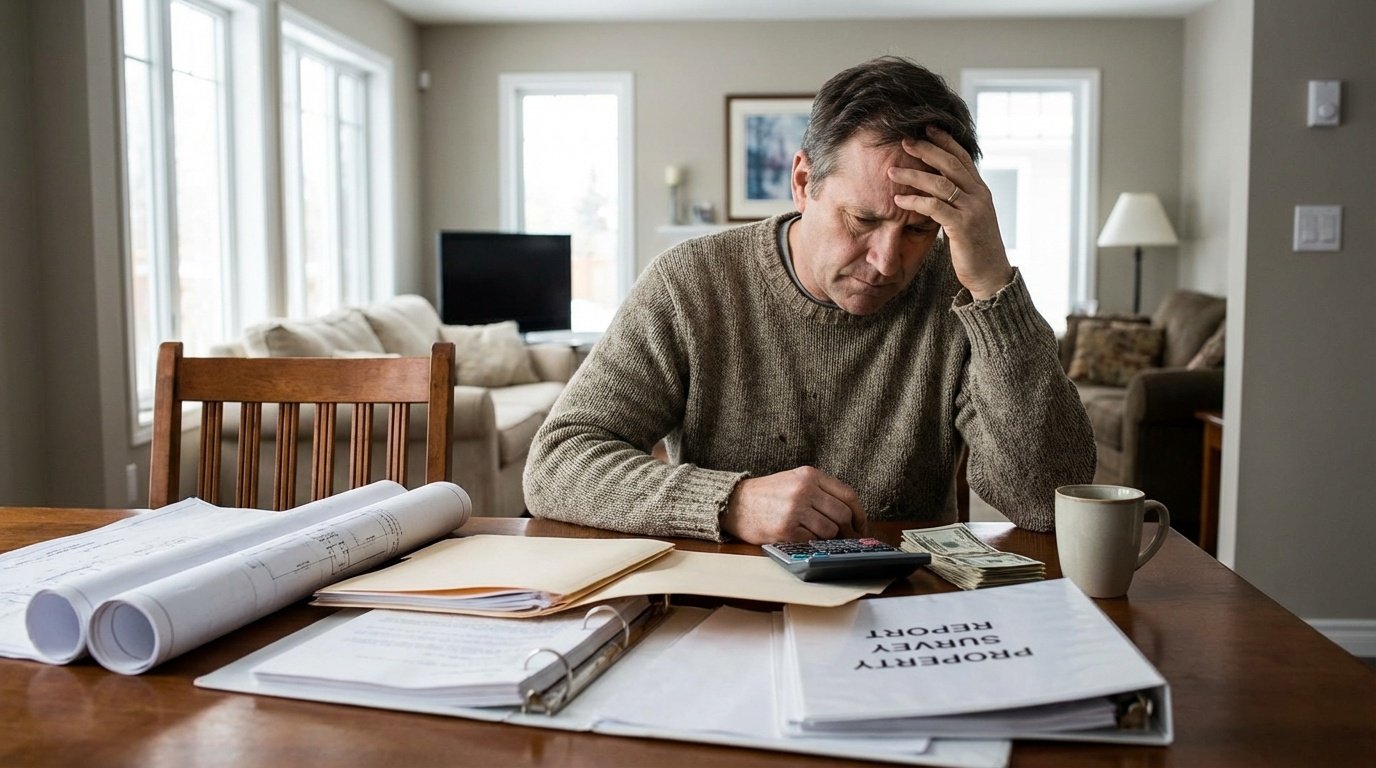
As chartered building surveyors at Ashford Surveyors, we've conducted thousands of property surveys across Kent over the years. We've also seen the aftermath when buyers make poor decisions about surveys - expensive mistakes that could have been easily avoided. Property purchases are probably the biggest financial commitments most people make, yet surprisingly many buyers make simple but costly errors with their property surveys. Let me share the seven most common and expensive mistakes we encounter, and more importantly, how to avoid them.
Mistake #1: Skipping the Survey Entirely
This is by far the most expensive mistake buyers make. We meet people who completed purchases without surveys, then discovered major problems costing tens of thousands to repair. They thought they'd save £600-£1,000 on survey costs. Instead, they lost far more on hidden defects that professional inspections would have found.
Why Buyers Skip Surveys
Several factors lead people to avoid surveys. They're trying to save money when budgets are stretched. They assume mortgage valuations are sufficient protection. The property looks perfect during viewings, creating false confidence. The seller seems trustworthy, so buyers believe verbal assurances. They're in competitive markets and fear surveys will delay offers. Family or friends who didn't get surveys tell them it's unnecessary.
These seem like valid reasons at the time. However, they're all flawed thinking that costs money later.
The Real Cost of No Survey
Consider a recent case from our work in Maidstone. Buyers purchased a seemingly perfect Victorian house for £375,000 without a survey. Within months, they discovered serious subsidence, extensive damp throughout, a roof needing complete replacement, and outdated electrical systems needing rewiring. Total repair costs exceeded £45,000. Had they invested £850 in our building survey, we'd have identified these problems before purchase. They could have renegotiated by £50,000 or walked away entirely.
We see similar stories regularly. The mathematics is simple: surveys cost £400-£1,500. Hidden defects cost thousands or tens of thousands. Even identifying one significant problem saves far more than survey costs.
How to Avoid This Mistake
Always get professional surveys from RICS-accredited surveyors. View surveys as essential protection, not optional extras. Consider that survey costs are tiny percentages of purchase prices. Remember that mortgage valuations protect lenders, not you. Factor survey costs into your purchase budget from the start. Choose survey types appropriate for your property - our guide on survey types helps you decide.
Mistake #2: Choosing the Wrong Survey Type
Getting any survey is better than none. However, choosing inappropriate survey levels wastes money or misses problems. Many buyers select basic homebuyer reports for properties needing comprehensive building surveys. Others pay for detailed surveys on straightforward modern properties where homebuyer reports would suffice.
Understanding Survey Levels
RICS Level 2 homebuyer reports suit properties built after 1900 in reasonable condition with conventional construction. These provide good value for straightforward properties. RICS Level 3 building surveys suit older properties, those with visible problems, unusual construction, or complex properties. These comprehensive inspections examine everything accessible in detail.
The Mismatch Problem
We regularly see buyers choosing Level 2 surveys for properties clearly needing Level 3 inspections. For example, a Victorian cottage with visible cracks and damp patches. Level 2 reports identify these issues but provide less detail than buyers need for informed decisions. Conversely, some buyers pay for expensive Level 3 surveys on five-year-old apartments where Level 2 would have been adequate.
Real Example
Buyers in Canterbury commissioned a homebuyer report on a 200-year-old cottage. The survey noted various concerns but couldn't provide detailed analysis within homebuyer report constraints. The buyers proceeded but underestimated repair costs. A Level 3 building survey would have cost £200 more but provided detailed condition assessment and accurate repair cost estimates, helping them negotiate better terms or budget properly.
How to Choose Correctly
Not sure which survey type you need? Contact our experienced surveyors for free advice. We'll discuss your property and recommend appropriate survey levels based on age, condition, construction, and your specific concerns. Getting this decision right saves money and provides the information you need.
Mistake #3: Ignoring Survey Recommendations
Many buyers commission surveys but then ignore findings or recommendations. They receive reports identifying problems but complete purchases anyway without addressing issues. Or they proceed without further investigations that surveys recommend. This defeats the purpose of getting surveys.
Why Buyers Ignore Findings
Several factors lead to this mistake. They've fallen in love with properties and don't want bad news. They've invested time and money and feel committed to proceeding. They underestimate how serious identified problems are. They hope problems won't be expensive or that issues will somehow resolve themselves. They're uncomfortable negotiating with sellers.
The Consequences
Ignoring survey findings means paying full prices for defective properties. It means facing unexpected repair bills after completion when budgets are stretched. It means living with problems that decrease enjoyment and property value. Sometimes it means properties are unmortgageable when you try to sell because lenders won't accept identified defects.
Real Scenario
We surveyed a property in Ashford where our report noted possible subsidence requiring structural engineer assessment. The buyers proceeded without getting engineer reports, assuming the problem was minor. After completing, subsidence worsened rapidly. Underpinning cost £35,000. Their mortgage provider required the work before refinancing. If they'd commissioned engineer reports before purchase, they could have negotiated a price reduction covering repair costs or withdrawn from the purchase.
Taking Survey Advice Seriously
When surveys identify problems, don't ignore them. Get recommended specialist surveys - drainage, electrical, structural engineering, timber surveys - before completing. Use survey findings to renegotiate purchase prices. If sellers won't negotiate adequately, consider walking away. Remember that finding defects before purchase protects you. Once you've completed, problems become your financial responsibility.
Mistake #4: Using Unqualified or Cheap Surveyors
Some buyers choose surveyors based purely on price, selecting cheapest quotes without checking qualifications or experience. This is dangerous. Inadequate surveys miss problems, costing far more than any savings on survey fees.
The Qualification Question
Always use RICS-accredited chartered surveyors. RICS (Royal Institution of Chartered Surveyors) is the professional body setting standards for property surveying. RICS surveyors must meet strict training requirements, maintain professional insurance, and follow codes of conduct. If problems arise, you have recourse through RICS complaints procedures. Non-RICS surveyors might lack adequate training, insurance, or professional accountability.
Experience Matters
Qualifications alone aren't enough. Surveyors need experience with your property type. Our team at Ashford Surveyors has decades of combined experience surveying residential properties across Kent. We understand local building methods, regional issues, and specific problems affecting Kent properties. This experience means we spot issues that less experienced surveyors might miss.
The False Economy
Cheap surveys often mean quick inspections, inexperienced surveyors, and inadequate reports. Saving £200 on survey fees is pointless if the surveyor misses £20,000 worth of problems. Professional surveys from experienced chartered building surveyors provide value far exceeding their cost.
Choosing Quality Surveyors
Check RICS accreditation - this is non-negotiable. Ask about experience with your property type and age. Read reviews from previous clients. Ensure surveyors have professional indemnity insurance. Request sample reports to see detail and clarity. Choose surveyors who'll discuss findings and answer questions. At Ashford Surveyors, we meet all these criteria with proven track records across Kent.
Mistake #5: Not Reading Survey Reports Properly
Many buyers receive comprehensive survey reports but don't read them properly. They skim summaries, missing important details. Or they don't understand what reports are telling them, so they fail to act on crucial information. Surveys are only valuable if you understand and use the information they provide.
Common Reading Mistakes
Buyers often only read executive summaries, missing detailed explanations. They focus on minor cosmetic issues while overlooking serious structural problems. They don't understand the traffic light rating systems in homebuyer reports. They fail to recognize when red (urgent) ratings mean they should reconsider purchases. They ignore recommendations for further investigations.
Understanding What Reports Tell You
Survey reports are written to be clear and accessible. However, if you don't understand something, ask your surveyor. We're happy to explain findings, clarify technical terms, and discuss implications. That's part of our service. Don't guess what reports mean - get clarification.
The Traffic Light System
RICS Level 2 homebuyer reports use traffic light ratings. Red means serious problems requiring urgent attention. Amber means issues needing attention but not immediately critical. Green means no significant problems. Don't dismiss red ratings as negotiable - they indicate serious defects that could be dangerous or very expensive.
Acting on Information
Once you understand your survey report, use it. Share findings with solicitors who might raise additional legal questions. Get quotes for identified repairs from qualified tradespeople. Use repair cost estimates to negotiate with sellers. Consider whether defects mean properties aren't right for you. Make informed decisions based on actual property condition, not appearances.
Mistake #6: Timing Surveys Incorrectly
Survey timing affects how useful findings are for negotiations and decisions. Many buyers commission surveys too late in purchase processes, limiting their options. Others book surveys too early before offers are accepted, potentially wasting money if purchases don't proceed.
Too Late: The Problem
Some buyers wait until just before completion to arrange surveys. By then, they've invested significant time and money. They've paid survey fees, solicitor costs, and arranged mortgages. Emotionally, they're committed. If surveys reveal problems, they feel pressured to proceed anyway because backing out seems too difficult.
Additionally, late surveys give little time to investigate issues further or negotiate with sellers. If surveys recommend specialist inspections, tight timelines make arranging them difficult.
Too Early: The Risk
Conversely, some buyers commission surveys before offers are accepted. If sellers reject offers or choose other buyers, survey costs are wasted. While less common, this mistake still happens when buyers are very keen on properties.
The Ideal Timing
Commission surveys after offers are accepted but well before completion - typically 2-4 weeks before your planned completion date. This gives you time to review reports thoroughly, obtain specialist surveys if recommended, get repair quotes, negotiate with sellers if problems are found, and reconsider purchases if defects are too serious.
For hot markets where properties sell quickly, discuss survey timing with estate agents. Most will accommodate reasonable survey timelines if you're a serious buyer with financing arranged.
Mistake #7: Not Using Surveys for Negotiation
Many buyers receive survey reports identifying significant problems but don't use findings to negotiate. They accept properties as-is, paying full price despite defects. This is leaving money on the table - money you'll need for repairs.
Why Buyers Don't Negotiate
Several factors prevent negotiation. Buyers worry that requesting price reductions will offend sellers and jeopardize sales. They don't know how to approach negotiations. They underestimate their negotiating power once surveys identify problems. They've emotionally committed to properties and fear losing them. They're British and negotiating feels uncomfortable.
Your Negotiating Power
Professional survey reports from RICS chartered surveyors give you significant negotiating power. Sellers know your surveyor is qualified and independent. They can't dismiss findings as exaggerated. Identified defects are facts that affect property value. If you walk away, future buyers' surveys will find the same problems.
How to Negotiate Effectively
Get repair quotes from qualified tradespeople for identified problems. Present survey findings and quotes to sellers or their agents. Request price reductions reflecting repair costs. Alternatively, ask sellers to complete repairs before completion. Be reasonable - don't try to renegotiate for minor cosmetic issues. Focus on significant defects requiring substantial expenditure.
Real Negotiation Success
We surveyed a property in Canterbury for £280,000. Our building survey identified roof problems, damp issues, and outdated electrical systems. Total repair costs were estimated at £15,000. The buyers presented our findings with supporting quotes. After negotiations, they agreed on £267,000 - a £13,000 reduction. The buyers could now afford repairs while staying in budget. Without negotiation, they'd have struggled financially after completion.
When Sellers Won't Negotiate
Sometimes sellers refuse to reduce prices or fix problems. This is their choice. However, it's information. If defects are serious and sellers won't acknowledge them, consider whether you want to proceed. Walking away from problematic properties is better than buying expensive problems.
Learning From Others' Mistakes
The mistakes I've described are all avoidable with knowledge and professional advice. As experienced surveyors conducting inspections across Kent, we want buyers to make informed decisions. Our role isn't just providing survey reports - it's helping you understand property conditions and make smart buying choices.
The Survey Investment
Professional surveys aren't expenses to minimize - they're investments protecting your biggest financial commitments. Spend adequately on surveys appropriate for your properties. Choose qualified, experienced surveyors. Read reports thoroughly. Act on findings. Use information to negotiate. These steps ensure surveys provide maximum value.
Questions We Answer
At Ashford Surveyors, we're here to help throughout the process. Before surveys, we advise on appropriate survey types for your properties. After surveys, we explain findings in plain English and discuss implications for your purchases. We're available to answer questions and provide ongoing support. This comprehensive service ensures you get full value from surveys.
Avoiding Mistakes: Your Checklist
To avoid the costly mistakes discussed, follow this simple checklist:
- ✓ Always commission professional surveys - no exceptions
- ✓ Choose survey types appropriate for your property age and condition
- ✓ Use only RICS-accredited chartered surveyors with relevant experience
- ✓ Time surveys after offers are accepted but before you're too committed
- ✓ Read survey reports thoroughly, asking about anything unclear
- ✓ Take survey recommendations seriously, obtaining specialist surveys when advised
- ✓ Use survey findings to negotiate price reductions or require repairs
- ✓ Consider walking away if serious defects emerge and sellers won't negotiate
- ✓ Remember that survey costs are tiny compared to potential problem costs
Conclusion: Smart Buying Starts With Smart Surveys
Property surveys are fundamental to smart buying. The seven mistakes discussed here cost buyers thousands or tens of thousands every year. Yet they're all avoidable with proper understanding and professional advice. Don't let false economies or poor decisions turn your dream property into a financial nightmare.
Whether you're buying your first home or your tenth property, whether it's in Ashford, Maidstone, Canterbury, or anywhere across Kent and Surrey, make surveys a priority. Choose experienced RICS-accredited surveyors who understand your property type. Read reports carefully. Act on findings. Negotiate when problems emerge. These simple steps protect your investment and give you peace of mind.
At Ashford Surveyors, we've helped thousands of buyers across Kent avoid costly mistakes through professional survey advice. Our comprehensive inspections, clear reports, and ongoing support ensure you buy properties with full knowledge of their condition. Don't learn expensive lessons the hard way - benefit from our experience and expertise.
Ready to avoid costly survey mistakes on your property purchase? Contact Ashford Surveyors today for professional survey advice from experienced RICS chartered surveyors who prioritize your interests.