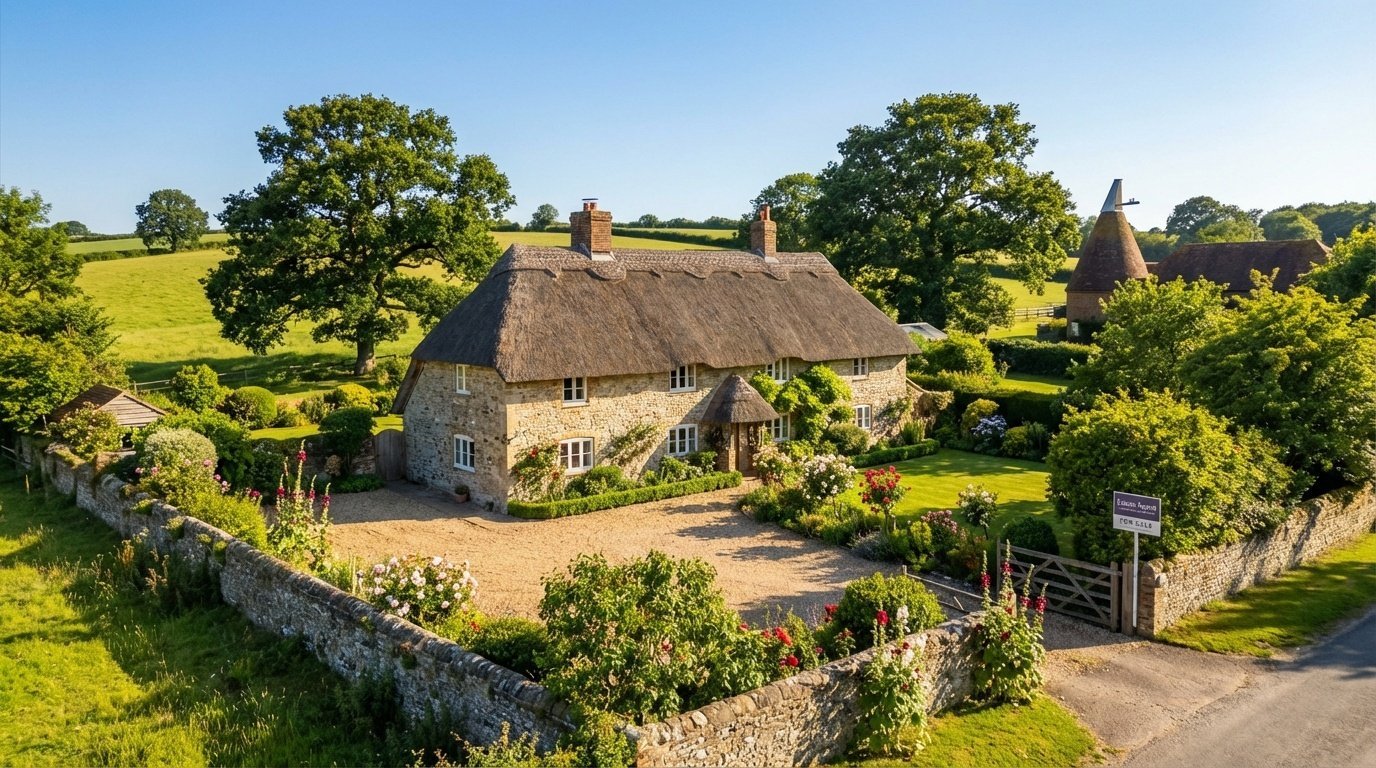
Rural properties offer charm, space, and escape from urban life. Whether it's a thatched cottage in the Kent countryside, a converted barn near Ashford, or a farmhouse with outbuildings, rural properties attract buyers seeking character and tranquility. However, countryside homes present unique challenges that standard property surveys might not fully address. As experienced surveyors conducting inspections across rural Kent at Ashford Surveyors, we understand what makes rural property surveys different and why specialist knowledge matters.
Why Rural Properties Need Specialist Surveys
Rural properties differ fundamentally from urban homes. They often rely on private services rather than mains connections. Buildings might be older with traditional construction methods. Outbuildings, land, and agricultural features add complexity. Location brings specific challenges - access issues, flood risks, and isolation. Our chartered building surveyors recognize these differences and adjust survey approaches accordingly.
What Makes Rural Surveys Different
Standard building surveys focus on the main dwelling. Rural surveys must consider much more: septic tanks and private drainage systems, private water supplies and wells, oil tanks and alternative heating, agricultural buildings and outbuildings, land boundaries and access rights, rights of way and easements, flooding and ground conditions, and local planning restrictions.
Each element requires specific knowledge and experience. Our surveyors conducting rural property inspections across Kent understand these complexities, bringing expertise beyond standard residential surveying.
Septic Tanks and Private Drainage
Many rural properties lack mains sewerage, relying instead on septic tanks or treatment plants. This is perhaps the most significant difference from urban properties, and problems can be expensive to fix. Understanding your drainage system is essential before buying.
Types of Private Drainage
Rural properties use various systems. Traditional septic tanks separate solids from liquids, with liquids draining to soakaways. These are simple but require regular emptying. Sewage treatment plants provide more advanced treatment, discharging cleaner water. These need electricity and maintenance. Cesspit systems are sealed tanks storing all waste, requiring frequent emptying at significant cost. Older properties might have outdated systems not meeting current regulations.
Survey Considerations
During building surveys, we identify drainage system types and ages. We check for signs of problems like slow drainage, unpleasant smells, wet patches in gardens, or visible sewage. We assess accessibility for emptying tankers. We review documentation including emptying records and maintenance history. For properties with older systems, we recommend specialist drainage surveys using CCTV cameras to inspect underground pipes and tank conditions.
Regulations and Upgrades
Current regulations are strict. Septic tanks discharging to watercourses have been banned. Properties need compliant systems - often requiring upgrades costing £5,000-£15,000+. Our surveys identify non-compliant systems, helping you understand potential upgrade costs before purchase. This is crucial information estate agents often don't highlight.
Maintenance and Costs
Private drainage requires regular maintenance. Septic tanks need emptying every 12-18 months typically, costing £100-£300 per visit. Treatment plants need annual servicing, costing £150-£300. Soakaways can fail, requiring replacement at £2,000-£5,000. Budgeting for these ongoing costs is essential when buying rural properties.
Private Water Supplies
Some rural properties have private water supplies from wells, boreholes, or springs. While this independence appeals to many buyers, private water brings responsibilities and potential issues our surveyors help you understand.
Understanding Your Water Source
Private supplies vary significantly. Wells draw from shallow groundwater, potentially affected by surface contamination. Boreholes tap deeper water sources, generally more reliable but expensive to drill. Springs use natural water sources, but flow varies with rainfall. Shared supplies serve multiple properties, with maintenance responsibilities and access rights to clarify.
Water Quality and Testing
Unlike mains water, private supplies aren't automatically tested or treated. You're responsible for ensuring safety. Our building surveys recommend professional water testing before purchase. Testing analyzes bacterial contamination, chemical composition, pH levels, and suitability for drinking. Testing costs £100-£300 but is essential. Contaminated water poses serious health risks and treating or replacing supplies is expensive.
System Reliability
We assess water supply reliability during rural property surveys. Does the source provide adequate flow? Are storage tanks sufficient for household needs? What backup exists if supplies fail? Is pumping equipment in good condition? During dry summers, some sources fail completely. Understanding supply reliability prevents nasty surprises after moving in.
Treatment and Filtration
Many private supplies need treatment for safe consumption. UV filters kill bacteria. Water softeners address hardness. Filtration removes sediment and impurities. Iron and manganese removal treats common rural water issues. Treatment systems cost £500-£3,000 to install and require ongoing maintenance. Our surveys identify existing systems and assess their adequacy.
Heating Systems and Fuel Storage
Rural properties without mains gas rely on alternative heating - typically oil, LPG, or solid fuel. Each system has specific requirements and potential problems experienced surveyors identify during inspections.
Oil Heating Considerations
Oil heating is common in rural Kent. We check oil tank condition and age - modern bunded tanks are safer but older single-skin tanks risk leaks. We assess tank location and access for delivery tankers. We look for signs of leaks or ground contamination. We verify adequate capacity for property size. Oil tank replacement costs £1,000-£2,000. Contamination cleanup from leaking tanks costs thousands more and creates environmental liability.
LPG Systems
Some properties use LPG (bottled gas) for heating and cooking. We check tank condition, size, and location. We assess rental vs. owned tank arrangements. We look for adequate servicing records. We ensure installations meet current safety standards. LPG is more expensive than oil or mains gas, with typical annual costs £1,000-£2,000 for average homes.
Solid Fuel and Biomass
Wood burners, solid fuel stoves, and biomass boilers provide attractive sustainable heating. However, they require work - sourcing fuel, cleaning, and maintenance. We assess chimney condition crucial for safe solid fuel use. We check adequate fuel storage exists. We verify appliances are properly installed with correct ventilation. We ensure building regulation certificates exist for installations.
Outbuildings and Agricultural Structures
Rural properties often include barns, stables, workshops, and other outbuildings. These add value but also represent additional survey requirements and potential problems. Our comprehensive rural surveys assess all structures, not just the main house.
Structural Condition
Agricultural buildings often have simple construction with potential structural issues. We check for roof problems - agricultural buildings frequently have corrugated metal or asbestos cement roofs prone to leaks. We assess timber frame integrity - older barns may have significant timber decay. We look for foundation movement or subsidence. We identify unsafe structures or collapse risks. While outbuildings might seem less important than the house, dangerous structures create liability and repair costs.
Planning and Regulations
Many buyers purchase rural properties planning to convert outbuildings. However, planning permission isn't guaranteed. Agricultural buildings often have permitted development rights allowing conversion - but with restrictions. Listed buildings or those in conservation areas face additional constraints. Change of use from agricultural to residential requires planning consent. Our surveys note outbuilding conditions and potential for conversion, but recommend checking planning status before assuming conversion is possible.
Asbestos in Older Buildings
Asbestos cement sheets were common in agricultural building construction until the 1990s. We identify potential asbestos materials during rural surveys. While stable asbestos poses minimal risk, breaking or removing it is hazardous and expensive. If you're planning renovations, understanding asbestos presence beforehand is crucial. Professional removal costs £50-£100 per square meter or more.
Access and Rights of Way
Rural properties often have complex access arrangements. Shared driveways, rights of way, and easements affect property use and value. While legal aspects are for solicitors, our physical surveys identify access issues affecting practical property use.
Physical Access Assessment
We assess driveway conditions and maintenance requirements. Is the surface adequate for all-weather access? Are there width restrictions preventing large vehicle access? Do gradients cause difficulties? Are there gates and stock-proof fencing as needed? We note whether emergency services can easily access the property - crucial for insurance and safety. We identify any access depending on crossing others' land, as this needs legal verification.
Shared Access Complications
Many rural properties share driveways with neighbors. We observe and note these arrangements, though legalities require solicitor attention. Shared access affects maintenance responsibility - who pays for resurfacing? It can limit parking and vehicle movement. It raises noise and privacy considerations. Future disputes about shared access are common, so understanding arrangements before purchase is wise.
Flooding and Ground Conditions
Rural locations often face increased flooding risk. Properties near rivers, in valleys, or with high water tables need careful assessment. Our building surveyors evaluate flood risks during rural property inspections.
Identifying Flood Risk
We check Environment Agency flood risk maps for the area. We look for physical flood defenses or evidence of past flooding. We note property elevation relative to nearby watercourses. We observe drainage patterns in gardens and land. We assess whether cellars or ground floors show flood damage signs. While we can't predict future floods, identifying high-risk locations helps you make informed decisions and arrange appropriate insurance.
Ground Conditions
Rural properties sometimes have challenging ground conditions. Clay soils shrink and swell with moisture changes, increasing subsidence risk. Made-up ground or filled areas may be unstable. High water tables affect basements and foundations. Mining or quarrying in the past creates underground instability. We note ground condition concerns during surveys, recommending specialist investigations where appropriate.
Traditional Construction Methods
Rural properties, particularly older cottages, often use traditional construction methods different from modern building. Understanding these methods is crucial for proper assessment and maintenance.
Thatched Roofs
Thatched roofs are beautiful but require specialist knowledge. We assess thatch condition and approximate age - thatch typically lasts 15-30 years depending on materials and weather exposure. We look for ridge deterioration, thin patches, or moss growth. We check roof structure supporting the thatch. We note whether ridge and eaves need attention. Re-thatching costs £10,000-£30,000+ depending on size and materials. Insurance for thatched properties is more expensive due to fire risk. Our surveys help you understand remaining thatch life and budget for future replacement.
Timber Frame Construction
Older cottages often have timber frames with infill panels. We assess visible timber condition, looking for decay, beetle infestation, or structural movement. We check whether walls are straight and true. We identify repairs using inappropriate modern materials that trap moisture. We note rendering that might hide timber problems. Timber frame repairs require specialist knowledge and can be expensive if extensive work is needed.
Solid Wall Construction
Many rural buildings have solid walls without cavities. These behave differently from modern cavity walls. They're more susceptible to penetrating damp. They're difficult to insulate effectively. They need breathable materials for repairs. Applying inappropriate modern renders or paints causes moisture problems. Our experienced surveyors understand solid wall behavior and identify problems caused by unsuitable repairs.
Listed Buildings and Conservation Areas
Many rural properties are listed buildings or located in conservation areas. This designation affects what you can change and how repairs must be done. While listing status is a legal matter, our surveys consider the implications for property maintenance.
Repair Constraints
Listed buildings require "like-for-like" repairs using traditional materials and methods. This often costs significantly more than modern alternatives. You need listed building consent for many changes - even internal alterations sometimes need approval. Planning restrictions affect extensions, conversions, and alterations. Our surveys note when repairs will need traditional materials and specialist craftsmen, helping you budget accurately.
Grant Funding
Some listed building repairs qualify for grants from heritage organizations. While we don't arrange funding, our comprehensive reports document condition and repairs needed, which grant applications require. Understanding that financial help might be available makes expensive heritage repairs more manageable.
Rural Property Insurance Considerations
Insuring rural properties can be more complex and expensive than urban homes. Our surveys provide information insurers need for accurate quotes and help you avoid surprises.
Higher Insurance Costs
Rural properties often cost more to insure because of fire service response times - rurally located properties take longer to reach, flood risks in some locations, higher rebuild costs for traditional construction, theft risks in isolated locations, and specialist features like thatched roofs or listed buildings. Our building survey reports help insurers understand property specifics, ensuring adequate cover at fair prices.
Rebuilding Cost Assessment
Traditional construction costs more to rebuild than standard modern homes. Thatched roofs, timber frames, and listed building specifications all increase rebuild costs. Our RICS Level 2 homebuyer reports include rebuilding cost assessments ensuring adequate insurance. Underinsuring could leave you unable to rebuild after major damage.
Choosing the Right Survey for Rural Properties
Rural properties almost always need comprehensive RICS Level 3 building surveys rather than basic homebuyer reports. The complexity and uniqueness of rural properties warrant detailed investigation. Our full building surveys for rural properties include main dwelling comprehensive assessment, all outbuildings and agricultural structures, septic tanks and private drainage systems (visual inspection), private water supplies and storage, oil tanks and alternative fuel systems, access arrangements and rights of way, boundaries and fencing, and land and flood risk assessment.
Additional Specialist Surveys
Depending on findings, we often recommend additional specialist surveys for rural properties: drainage surveys using CCTV equipment for septic tanks and pipes, water testing for private supplies, structural engineering reports for significant movement or complex issues, timber surveys if serious decay or infestation is found, and environmental surveys for contamination concerns.
While additional surveys increase initial costs, they prevent expensive surprises after purchase. Understanding true property condition is especially important for rural properties where problems are often more complex and costly to fix.
Buying Rural Properties in Kent
Kent's countryside offers diverse rural properties from Wealden cottages to Romney Marsh farmhouses. Each area has characteristic features and potential issues. Our surveyors at Ashford Surveyors have extensive experience with rural properties throughout Kent, bringing local knowledge to every inspection.
Common Kent Rural Issues
Properties in low-lying areas like Romney Marsh face flood risks. The Weald's heavy clay soils increase subsidence and drainage problems. Coastal areas deal with salt exposure affecting materials. Listed building density means many rural properties have heritage constraints. Understanding regional characteristics helps our surveyors identify area-specific issues during inspections.
Questions to Ask About Rural Properties
Before viewing rural properties, ask sellers or estate agents these important questions:
- What drainage system does the property use? When was it last emptied or serviced?
- Is water supply mains or private? If private, do water test results exist?
- What heating system is installed? When was the oil tank last replaced?
- Are outbuildings structurally sound? Do building regulation certificates exist for conversions?
- What access arrangements apply? Are rights of way documented?
- Has the property ever flooded? What flood risk rating does it have?
- Is the property listed? What planning constraints affect the site?
- What boundaries are your responsibility? What fencing needs replacing?
Answers help you understand what you're taking on and whether properties suit your needs before commissioning surveys.
Budgeting for Rural Property Ownership
Rural properties often cost less to buy than equivalent urban homes. However, ongoing costs can be higher. Budget for septic tank emptying and maintenance, water testing and treatment system servicing, oil or LPG fuel (typically more expensive than gas), land and outbuilding maintenance, hedge and ditch maintenance, access driveway upkeep, higher insurance premiums, and potentially higher repair costs using traditional materials.
Our comprehensive survey reports help you understand maintenance requirements and budget accordingly. Knowing what's needed prevents financial surprises after moving in.
The Rewards of Rural Living
Despite additional complexities, rural properties offer wonderful lifestyles. Space, privacy, and connection to countryside living appeal strongly to many buyers. With proper survey advice and realistic understanding of responsibilities, rural property ownership is highly rewarding. Our role at Ashford Surveyors is ensuring you buy rural properties with full knowledge of their condition and requirements.
Conclusion: Expert Guidance for Rural Purchases
Rural properties need specialist survey expertise. Standard approaches miss critical issues specific to countryside homes. Our chartered building surveyors understand rural property complexities, bringing years of experience surveying cottages, farmhouses, and rural properties across Kent. We examine everything from septic tanks to thatched roofs, from private water supplies to agricultural outbuildings. Our comprehensive reports give you complete pictures of property conditions and future responsibilities.
Whether you're buying a thatched cottage in the Weald, a barn conversion near Ashford, or a farmhouse in rural Kent, professional survey advice from experienced rural property surveyors is essential. Don't risk expensive problems - invest in comprehensive surveys that reveal everything you need to know.
Planning to buy a rural property in Kent? Contact Ashford Surveyors today for specialist rural property survey advice from RICS-accredited chartered surveyors who understand countryside homes.