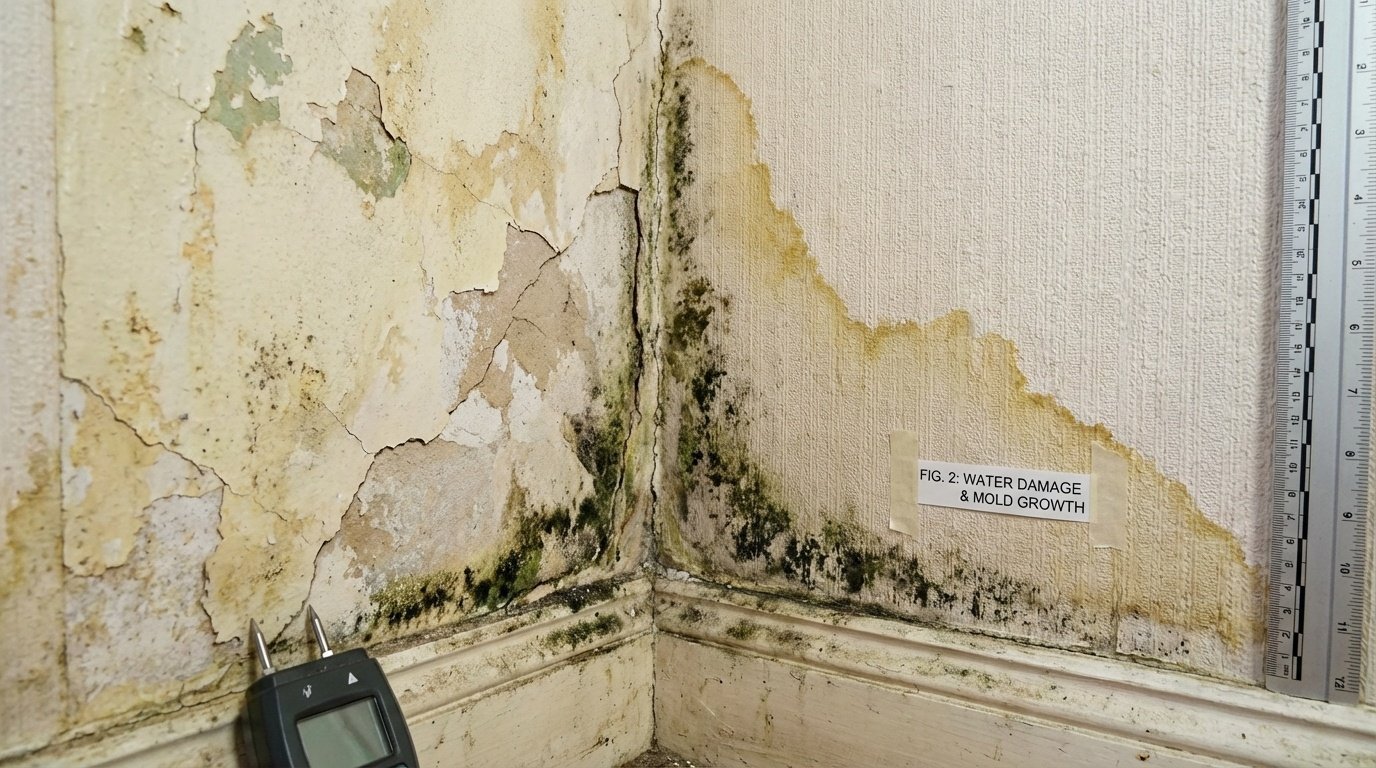
Damp is the most common problem our chartered building surveyors at Ashford Surveyors find during property inspections across Kent. It affects properties of all ages, from historic buildings in Canterbury to modern homes in Ashford. Yet many property buyers don't fully understand damp - what causes it, the different types, how serious it is, and what treatment involves. This comprehensive guide explains everything you need to know about damp and moisture problems in properties.
Why Damp Matters
Damp isn't just unsightly - it causes real problems. It damages building materials, causing timber rot and plaster deterioration. It creates health issues through mold growth affecting respiratory health. It reduces property values and affects mortgageability. It increases heating costs as damp walls lose insulation value. Understanding damp helps you make informed property purchase decisions and maintain your home properly.
The Three Main Types of Damp
Damp in buildings comes from three main sources, each with different causes and requiring different treatments. Our experienced surveyors identify which type affects properties during building surveys, providing expert advice on appropriate remedies.
1. Rising Damp
Rising damp occurs when groundwater rises through walls by capillary action - like water climbing up a sponge. This happens when damp-proof courses (DPC) are absent, damaged, or bridged. Rising damp is controversial in the surveying industry. Some experts believe it's over-diagnosed, with other damp types mistaken for rising damp. However, genuine rising damp does occur in properties without effective damp-proofing.
Identifying Rising Damp
Classic rising damp signs include damp patches on walls up to 1 meter above floor level, tide marks where moisture evaporates leaving salts, damaged skirting boards and plaster at floor level, musty smells in affected rooms, and peeling paint or wallpaper at low levels. Our surveyors use moisture meters to measure wall dampness at different heights, helping distinguish rising damp from other moisture sources.
Causes of Rising Damp
Rising damp develops when no DPC was installed (in very old properties), the DPC has failed through age or damage, the DPC is bridged by external ground levels, internal floors, or render, or high external ground levels push moisture above DPC height. Older properties built before 1875 often lack DPCs entirely. Properties from 1875-1950s typically have slate DPCs that can fail. Modern properties have plastic DPCs that are more reliable.
Treatment Options
Rising damp treatment typically involves installing chemical damp-proof courses by injecting water-repellent solutions into walls at appropriate levels. This costs £1,000-£3,000 for typical terraced houses. Alternatively, physical DPCs can be installed by cutting into walls and inserting membranes - more expensive but longer-lasting. After DPC installation, damaged plaster must be removed and replaced with breathable renovating plaster designed for damp conditions.
However, before expensive DPC installation, ensure rising damp is actually the problem. Often, addressing ground levels, improving ventilation, or fixing other moisture sources solves apparent "rising damp" at lower cost.
2. Penetrating Damp
Penetrating damp (also called water ingress) occurs when water penetrates through walls, roofs, or around windows from outside. Unlike rising damp that affects lower walls, penetrating damp can appear anywhere depending on where water enters. This is the most common damp type we identify during property surveys across Kent.
Common Causes
Penetrating damp has numerous causes. Roof problems including missing tiles, damaged flashing, or blocked gutters allow water ingress. Wall defects like cracked render, porous brickwork, or failed pointing let rain penetrate. Window and door problems including damaged seals or failed weatherproofing cause leaks. Plumbing leaks from damaged pipes, faulty installations, or leaking appliances create internal moisture. Defective guttering and downpipes cause water to run down walls rather than draining properly.
Identifying Penetrating Damp
Penetrating damp signs include damp patches appearing after rain (or worsening in wet weather), staining on walls or ceilings often in specific areas, mold growth in affected areas, peeling paint or damaged wallpaper, and visible water ingress during heavy rain. Our building surveyors trace moisture paths to identify entry points, using experience to diagnose causes from damage patterns.
Treatment Approach
Treating penetrating damp means fixing the source. This might involve roof repairs (£500-£5,000+ depending on extent), repointing brickwork (£30-£60 per square meter), repairing or replacing render (£40-£100 per square meter), fixing or replacing guttering and downpipes (£300-£1,500), or sealing around windows and doors (£100-£500 per window).
The key is identifying and fixing water entry points. Once sources are addressed, affected plaster can dry naturally or be replaced if too damaged. Treatment costs vary enormously depending on causes - from hundreds for minor repairs to thousands for extensive roof or wall work.
3. Condensation
Condensation is the most common damp type in modern properties but often the least understood. It occurs when warm, moisture-laden air contacts cold surfaces, causing water vapor to condense into liquid. Unlike rising or penetrating damp coming from external water sources, condensation results from internal moisture production and poor ventilation.
Why Condensation Occurs
Modern living produces significant moisture. Breathing, cooking, bathing, washing, and drying clothes all release water vapor into air. In older properties with draughty windows and chimneys, this moisture escapes naturally. However, modern properties are more airtight through double glazing, draught-proofing, and sealed construction. Without adequate ventilation, moisture accumulates, causing condensation on cold surfaces.
Recognizing Condensation
Condensation signs include water droplets on windows (especially mornings), mold growth in corners and on cold walls, particularly in bathrooms and bedrooms, musty smells in poorly ventilated rooms, damp patches on north-facing walls and in corners, and seasonal variation (worse in winter when heating increases moisture production and surface temperatures are lower).
Distinguishing From Other Damp
Condensation differs from other damp types in important ways. It affects cold surfaces primarily (windows, external walls, corners), whereas penetrating damp appears where water enters and rising damp affects lower walls. Condensation worsens when heating is used (producing moisture) while external damp worsens in wet weather. Condensation improves with ventilation immediately, while structural damp requires physical repairs.
Solving Condensation Problems
Condensation requires different treatment from structural damp. Improve ventilation by opening windows regularly, using extractor fans in bathrooms and kitchens, and ensuring trickle vents in windows function. Reduce moisture production by covering pans when cooking, venting tumble dryers externally, drying clothes outdoors where possible, and not using portable gas heaters (they produce moisture). Increase heating to warm surfaces, preventing condensation formation. Improve insulation so surfaces stay warmer, particularly external wall insulation.
These changes cost little but effectively reduce condensation. In severe cases, installing positive input ventilation (PIV) systems costing £500-£1,000 can solve persistent condensation by maintaining air movement and reducing moisture levels.
How Professional Surveyors Identify Damp
Identifying damp type and cause requires experience and proper equipment. Our chartered surveyors use multiple techniques during property inspections to accurately diagnose moisture problems.
Visual Inspection
Experienced eyes spot damp indicators others miss. We look for staining patterns, mold locations, paint and plaster damage, timber decay signs, and salt deposits (efflorescence). We check potential water entry points including roofs, guttering, walls, windows, and doors. We examine ground levels, DPC visibility, and external drainage. Visual inspection provides the foundation for damp diagnosis.
Moisture Meters
Professional moisture meters measure water content in building materials. We test walls at multiple heights and locations, comparing readings to establish patterns. High readings near ground level suggest rising damp. High readings near specific external points suggest penetrating damp. Uniform surface moisture suggests condensation. Moisture meters are essential tools but must be used with experience - they measure electrical conductivity affected by moisture and salts, requiring interpretation.
Thermal Imaging
Some surveyors use thermal imaging cameras showing temperature variations in building surfaces. Damp areas appear cooler due to evaporation. Thermal imaging helps identify water ingress paths, locate hidden leaks, find bridged DPCs, and verify insulation effectiveness. While not essential for basic damp detection, thermal imaging provides valuable additional information for complex cases.
Contextual Assessment
Equipment alone doesn't diagnose damp - experience and context matter. We consider property age and construction, local ground conditions and weather patterns, recent decoration or repairs, heating and ventilation provision, and occupant lifestyle factors. This holistic approach ensures accurate diagnosis rather than jumping to conclusions from limited data.
The Damp Survey Process
When our building surveyors identify damp during property surveys, we follow systematic processes to provide comprehensive information.
Identification and Documentation
We identify all areas showing dampness, measuring moisture levels and documenting findings photographically. We note extent and severity, providing clear information about affected areas.
Diagnosis
Based on evidence, we diagnose likely damp causes. Sometimes multiple factors contribute - properties might have both penetrating damp from roof leaks and condensation from poor ventilation. We explain our reasoning so you understand why we've reached specific conclusions.
Recommendations
We recommend appropriate remedial actions based on diagnoses. For simple problems, we suggest direct fixes - repairing guttering, improving ventilation, or adjusting ground levels. For complex damp issues, we recommend specialist damp surveys from qualified damp specialists who can investigate further and provide detailed treatment specifications.
Cost Guidance
Where possible, we provide approximate cost guidance for recommended work. This helps you budget for necessary repairs and negotiate with sellers if buying properties with damp problems.
Common Damp Myths
Damp is surrounded by myths and misunderstandings. Let me address some common misconceptions:
Myth: All Damp Needs Expensive Treatment
Reality: Many damp problems have simple, inexpensive fixes. Improving ventilation, repairing guttering, or lowering ground levels often solves damp without costly treatments. Always investigate causes thoroughly before committing to expensive damp-proofing work.
Myth: Old Properties Always Have Damp
Reality: Old properties can be dry if properly maintained. Traditional construction often handles moisture better than modern methods when appropriate materials and techniques are used. Period properties might show different moisture patterns than modern homes, but this doesn't mean they're defective.
Myth: Chemical DPCs Solve All Damp
Reality: Chemical DPC injection is appropriate for genuine rising damp but won't fix penetrating damp or condensation. Over-prescription of DPC injection is common in the damp treatment industry. Ensure accurate diagnosis before accepting expensive DPC treatments.
Myth: Mold Always Means Serious Damp
Reality: Mold indicates moisture but doesn't specify severity. Condensation mold in bathroom corners is common and easily addressed with ventilation. However, extensive mold growth warrants investigation. Context and location determine significance.
Damp in Different Property Types
Different property types experience characteristic damp problems:
Victorian and Edwardian Properties
Common issues include solid wall construction prone to penetrating damp, failed or absent DPCs causing rising damp concerns, lime mortar and plaster damaged by cement repairs, high ceilings and chimneys providing natural ventilation (good) but heat loss (expensive), and breathable construction requiring appropriate repair materials.
1930s-1970s Properties
Typical problems include cavity wall construction generally damp-resistant but can have wall tie failure, original DPCs that might be failing after 50+ years, flat roofs common in this era that are prone to leaking, metal windows that often show condensation, and solid fuel heating creating moisture if not properly vented.
Modern Properties
Contemporary issues include airtight construction causing condensation if under-ventilated, complex roof designs with multiple valleys prone to leaks, render systems that can trap moisture if applied incorrectly, and plumbing systems that are complex with more potential leak points.
When to Get Specialist Damp Surveys
Our building surveys identify damp and provide initial diagnoses. However, complex cases benefit from specialist damp surveys from qualified damp specialists (Property Care Association registered). Consider specialist surveys when extensive damp affects multiple areas, you're buying expensive properties where damp could affect value significantly, suspected rising damp requires verification before costly treatment, damp causes are unclear despite initial investigation, or pre-purchase damp reports are required by mortgage lenders.
Specialist damp surveys cost £200-£500 typically but provide detailed analysis and treatment specifications ensuring appropriate remedial work.
Negotiating on Properties With Damp
Finding damp during surveys doesn't mean avoiding properties. Many damp problems are fixable at reasonable cost. However, use survey findings to negotiate. Get treatment quotes from reputable companies. Request price reductions reflecting repair costs plus contingency. Alternatively, ask sellers to undertake repairs before completion. For extensive damp, consider whether you want the disruption and expense of major remedial work.
Our survey reports provide evidence for negotiations. RICS surveyors' professional opinions carry weight with sellers and their agents. Don't hesitate to use survey findings to protect your financial interests.
Living With and Preventing Damp
If you're already in a property with damp, or want to prevent problems:
- Maintain your property - clean gutters, repair minor defects before they worsen
- Ventilate adequately - open windows daily, use extractor fans
- Heat consistently - avoid letting properties get very cold
- Keep ground levels appropriate - don't build soil or paving above DPC
- Address problems promptly - small leaks become major damp if ignored
- Use breathable materials - particularly in older properties
Conclusion: Understanding Leads to Solutions
Damp is common but manageable with proper understanding and appropriate treatment. Different damp types require different approaches - identifying causes accurately is crucial before undertaking expensive work. Our experienced surveyors at Ashford Surveyors help property buyers understand damp through detailed inspections and clear reports. Whether you're buying properties in Ashford, Maidstone, Canterbury, or anywhere across Kent, professional survey advice helps you make informed decisions about damp and avoid unnecessary costs.
Don't let damp problems scare you away from good properties or trap you in expensive mistakes. With expert guidance, damp is identifiable, diagnosable, and treatable. Make informed decisions based on facts, not fears.
Concerned about damp in a property you're considering? Contact Ashford Surveyors for professional survey advice from chartered surveyors who understand damp problems and provide clear, honest guidance.