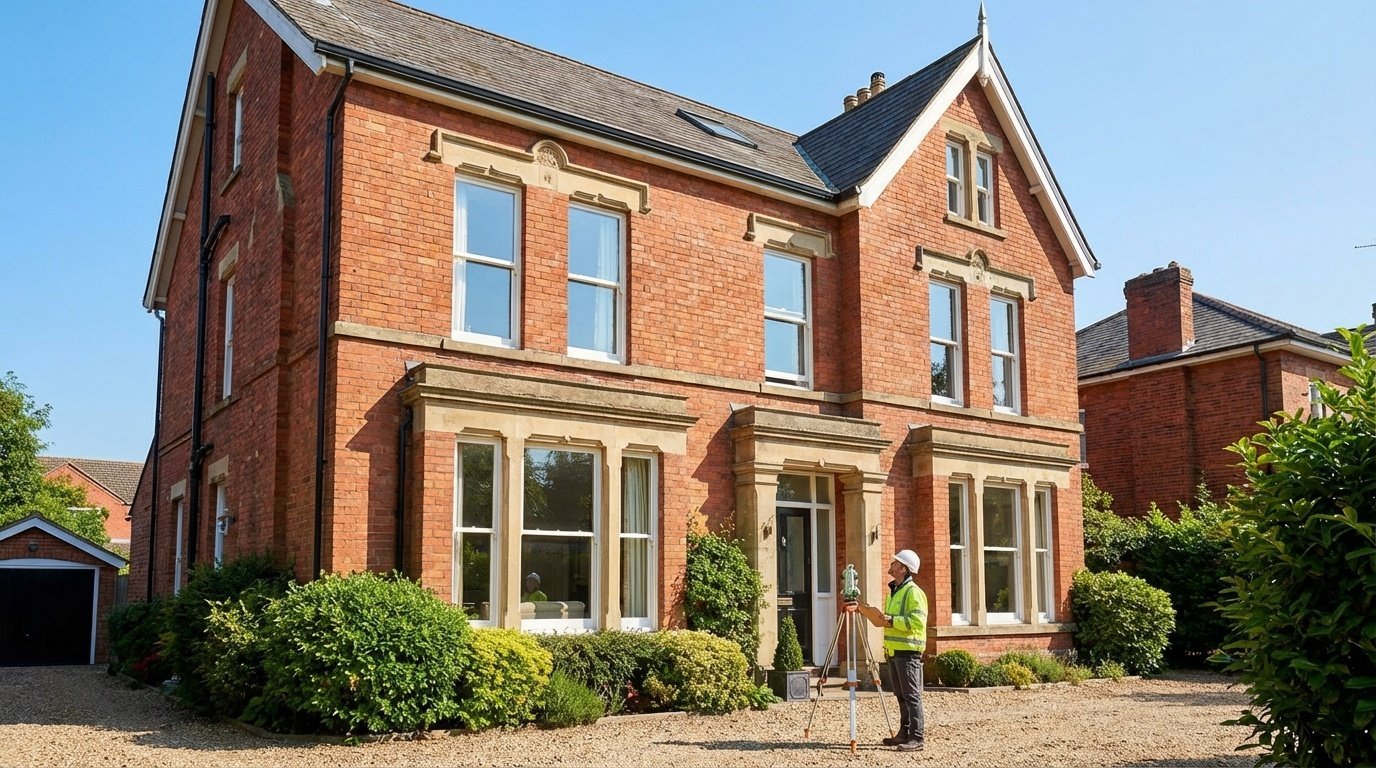
Buying period properties like Victorian, Georgian, or Edwardian homes is a dream for many homebuyers drawn to their character, craftsmanship, and architectural beauty. However, Ashford Surveyors understand that historic buildings come with unique challenges that modern properties don't face. This comprehensive guide from our experienced chartered surveyors explains everything you need to know about purchasing period properties in Kent and across the UK, from what to look for during viewings to essential survey considerations.
What Are Period Properties and Why Are They Special?
Period properties are buildings constructed during specific historical eras, typically before 1945. These homes feature distinctive architectural styles, construction methods, and materials that reflect the period in which they were built. RICS surveyors recognize that period properties require specialized knowledge to assess properly, as they were built using techniques and materials very different from modern construction.
Common Period Property Types in the UK
Georgian Properties (1714-1830)
Georgian homes are characterized by symmetrical facades, sash windows, high ceilings, ornate cornicing, and classical proportions. Built with solid brick or stone walls, these properties often feature elegant townhouse designs in urban areas or substantial country houses. Kent has numerous Georgian properties, particularly in historic towns like Canterbury and Tunbridge Wells.
Victorian Properties (1837-1901)
Victorian era properties are the most common period homes in the UK. They range from grand Gothic-revival villas to modest terraced houses built for workers during industrial expansion. Typical features include bay windows, decorative brickwork, fireplaces in most rooms, high ceilings, and solid wall construction. Ashford Surveyors inspect hundreds of Victorian properties annually throughout Kent.
Edwardian Properties (1901-1918)
Edwardian homes represent a transition toward more modern construction. They typically feature larger rooms than Victorian houses, simpler decoration, wider hallways, and gardens. Many Edwardian properties have better natural light and more practical layouts while retaining period charm through features like stained glass, picture rails, and original fireplaces.
Inter-War Properties (1918-1939)
Properties built between the wars show increasing use of modern materials like cavity walls and concrete. Semi-detached houses became popular during this era. While technically not "period" properties to purists, these homes often feature Art Deco details and represent an important phase in British housing history.
Common Issues in Period Properties
As a chartered surveyor specializing in historic buildings, I've surveyed countless period properties throughout Kent. While these homes offer undeniable character, they also present specific challenges that buyers must understand before committing to purchase.
1. Solid Wall Construction and Damp
Most period properties built before 1920 have solid walls—single-thickness brick or stone without the cavity found in modern construction. Solid walls don't provide the same moisture barrier as cavity walls, making period properties more susceptible to damp penetration, especially on exposed elevations.
Common damp issues in period properties include:
- Penetrating damp: Moisture passing through solid walls, particularly during driving rain
- Rising damp: Ground moisture rising through walls due to failed or absent damp-proof courses
- Condensation: Modern living patterns (heating, cooking, bathing) creating moisture in buildings designed for different lifestyles
I once surveyed a stunning Victorian terrace in Ashford where the owners had installed modern double-glazing without adequate ventilation. The result was severe condensation mold throughout the property. Period buildings need to "breathe"—sealing them too tightly causes problems. Our building survey identified the issue and recommended appropriate ventilation solutions that preserved the property's character while solving the moisture problem.
2. Structural Movement and Settlement
Period properties have had many years to settle and move. Some degree of structural movement is normal in buildings over 100 years old. However, RICS surveyors must distinguish between historic, stabilized movement and active, progressive problems requiring intervention.
Common structural issues include:
- Foundation settlement: Period properties often have shallow foundations that may have moved over time
- Lintel deflection: Timber or stone lintels over openings can sag with age
- Wall bulging: Lack of adequate wall ties or floor joist connections can cause walls to bow outward
- Roof spread: Inadequate roof bracing can cause outward thrust on supporting walls
During one memorable survey of an 1880s end-terrace in Canterbury, we noticed the front wall had a slight outward lean. Using specialist equipment, we measured the deviation and determined it was historic and stable. However, we recommended installing structural ties as a precaution. This demonstrates why experienced surveyors are essential—distinguishing between acceptable character and concerning defects requires expertise.
3. Original Windows and Glazing
Original sash windows are a defining feature of period properties, but they can be problematic:
- Single glazing: Poor thermal performance and higher heating costs
- Decay: Timber frames can rot, particularly at sill level where water collects
- Broken sash cords: Mechanisms fail, making windows difficult or impossible to open
- Paint buildup: Layers of old paint can seal windows shut or affect operation
Many period property buyers face a dilemma: replace inefficient original windows or retain authentic features? Ashford Surveyors advise on this balance. Well-maintained original sash windows can be draught-proofed and fitted with secondary glazing, preserving character while improving performance. However, severely decayed windows may require replacement with high-quality replicas.
4. Outdated Electrical and Plumbing Systems
Period properties often have electrical and plumbing systems installed decades ago that don't meet current standards:
- Old wiring: Cloth-insulated cables, inadequate circuit protection, insufficient sockets
- Lead pipes: Some older properties still have lead water supply pipes
- Outdated heating: Inefficient boilers or outdated heating systems
- Poor earthing: Period properties may lack adequate electrical earthing
Our building surveys always include assessment of visible services. We recently surveyed a beautiful Edwardian villa in Maidstone that still had original 1960s wiring throughout. The buyers needed to budget £5,000-£7,000 for complete rewiring. Identifying these costs before purchase prevents nasty financial surprises.
5. Roof Issues
Period property roofs present specific challenges:
- Aging materials: Original slate or tile roofs may be nearing the end of their lifespan
- Valley gutters: Internal gutters between roof slopes are prone to leaking
- Flat roofed areas: Period flat roofs over bays or extensions often fail
- Chimney stacks: Redundant chimneys may be deteriorating and require maintenance or removal
I always access roof spaces during Level 3 surveys of period properties. In one Victorian property, we discovered extensive beetle infestation in roof timbers that wasn't visible from ground level. Early detection allowed the buyers to negotiate and budget for treatment and repairs.
What to Look for When Viewing Period Properties
Before commissioning a professional survey from Ashford Surveyors, conduct your own preliminary inspection during viewings. While you won't have a surveyor's expertise, you can identify potential red flags:
External Inspection Points
- Cracks in walls: Look for stepped cracking in brickwork or wide diagonal cracks suggesting structural movement
- Pointing condition: Check mortar between bricks—deteriorating pointing allows water penetration
- Roof condition: Use binoculars to inspect roof coverings for slipped, cracked, or missing tiles/slates
- Chimney stacks: Check for leaning, cracked, or deteriorating chimneys
- Gutters and downpipes: Look for damage, blockages, or water staining indicating problems
- Window condition: Check for rotten timber, broken glass, or failed putty
- Ground levels: Earth or paving should be below the damp-proof course level
Internal Inspection Points
- Damp smells or staining: Musty odors or tide marks on walls indicate moisture problems
- Sloping floors: Use a spirit level app or roll a marble—significant slopes suggest structural issues
- Ceiling cracks: Wide cracks or sagging ceilings need investigation
- Sticking doors: Doors that no longer fit frames properly can indicate structural movement
- Mold growth: Black mold suggests moisture or ventilation problems
- Electrical installations: Check the fuse box location and whether modern circuit breakers are fitted
- Heating system: Note the boiler age and heating type
- Original features: Assess the condition of fireplaces, cornicing, floorboards, and other period details
Remember, these preliminary checks help inform whether to proceed, but they don't replace professional survey by qualified chartered surveyors.
Survey Considerations for Period Properties
Why You Need a Level 3 Building Survey
Ashford Surveyors strongly recommend RICS Level 3 Building Surveys for all period properties. The comprehensive nature of Level 3 surveys is essential because:
- Period construction methods differ from modern buildings
- Aging materials require expert assessment
- Structural movement needs professional diagnosis
- Hidden defects are more likely in older properties
- Renovation planning requires detailed information
A Level 2 HomeBuyer Report, while suitable for modern properties, doesn't provide sufficient detail for period buildings. The investment in a thorough Level 3 survey typically saves buyers many times its cost by identifying issues before purchase.
What Surveyors Look for in Period Properties
When RICS surveyors conduct building surveys on period properties, we specifically examine:
- Construction type and materials: Identifying original building methods and any alterations
- Structural integrity: Assessing foundations, walls, floors, and roof structure
- Moisture issues: Using moisture meters to detect damp in solid walls
- Timber condition: Checking for rot or beetle infestation in structural timbers
- Services: Evaluating electrical, plumbing, heating, and drainage systems
- Original features: Assessing condition of period details
- Alterations: Identifying modifications and assessing whether they were done properly
- Maintenance needs: Advising on ongoing care requirements
Listed Buildings: Extra Considerations
Some period properties are listed buildings, meaning they're legally protected due to special architectural or historic interest. Buying a listed building involves additional considerations:
Listing Grades
- Grade I: Buildings of exceptional interest (about 2.5% of listings)
- Grade II*: Particularly important buildings of more than special interest (5.8% of listings)
- Grade II: Buildings of special interest (91.7% of listings)
Listed Building Implications
- Planning restrictions: Listed Building Consent required for most alterations
- Maintenance requirements: Repairs must use appropriate traditional materials and methods
- Higher costs: Specialist contractors and materials increase maintenance expenses
- Mortgage considerations: Some lenders have specific requirements for listed properties
- Insurance: Specialist insurance may be required
I once surveyed a Grade II listed Georgian townhouse in Canterbury for clients who were initially unaware of the listing implications. Our survey not only assessed the property's condition but also advised on the restrictions and additional costs associated with listed building ownership. The clients appreciated this guidance, which helped them make an informed decision about whether they were prepared for the responsibilities involved.
Conservation Areas and Planning Restrictions
Even if a period property isn't listed, it may be in a Conservation Area—designated areas with special architectural or historic character. Properties in Conservation Areas face restrictions on:
- External alterations (windows, doors, roofing materials)
- Extensions and outbuildings
- Demolition
- Tree work
Always check with the local planning authority about restrictions before purchasing. Ashford Surveyors can advise on likely planning constraints during our surveys.
Energy Efficiency in Period Properties
The Challenge
Period properties typically have poor energy efficiency compared to modern homes. Solid walls, single glazing, and lack of insulation mean higher heating costs and environmental impact. However, improving efficiency must be balanced with preserving character and avoiding damage to historic fabric.
Appropriate Improvements
- Internal solid wall insulation: Can improve thermal performance while preserving external appearance
- Breathable insulation: Natural materials like wood fiber allow moisture movement
- Draught-proofing: Sealing gaps around windows and doors reduces heat loss
- Secondary glazing: Improves insulation while retaining original windows
- Modern heating controls: Smart thermostats optimize heating efficiency
- Loft insulation: Easy to install and highly effective
Our building surveys often include advice on sympathetic energy improvements for period properties. We understand the balance between efficiency and conservation.
Costs of Owning a Period Property
Period property ownership typically costs more than owning a modern equivalent:
Purchase Stage
- Survey costs: Level 3 surveys cost £600-£1,500 depending on property size
- Specialist investigations: Structural engineers, damp specialists, etc. may be needed
Ongoing Costs
- Maintenance: Period properties require more regular maintenance than modern homes
- Energy bills: Lower thermal efficiency means higher heating costs
- Insurance: Premiums may be higher, especially for listed buildings
- Repairs: Traditional materials and specialist trades cost more
- Decoration: High ceilings and large rooms increase painting costs
Major Works
- Roof renewal: £10,000-£30,000+ depending on size and materials
- Rewiring: £4,000-£8,000 for typical period house
- Replumbing: £3,000-£6,000
- Damp treatment: £2,000-£10,000 depending on extent
- Window restoration: £500-£1,500 per window
Our comprehensive building surveys help buyers budget accurately by identifying required works and estimated costs.
Frequently Asked Questions
Should I buy a period property or a modern home?
This depends on your priorities. Period properties offer character, architectural interest, and often better locations. However, they require more maintenance, cost more to heat, and may need sympathetic modernization. Modern homes are more energy-efficient, require less maintenance, and have contemporary layouts. Ashford Surveyors recommend considering your budget, DIY capabilities, and lifestyle before deciding. If you're drawn to period charm and prepared for higher running costs, period properties can be wonderfully rewarding.
Can I get a mortgage on a period property?
Yes, most period properties are mortgageable. However, lenders may require specific survey types (usually Level 3 Building Surveys) and may have concerns about properties needing major repairs. Listed buildings and properties with severe defects may face lending restrictions. Our RICS surveyors provide reports that satisfy lender requirements while giving you comprehensive information about the property's condition.
What's the biggest mistake buyers make with period properties?
The most common mistake is underestimating maintenance and repair costs. Many buyers fall in love with a period property's charm without budgeting for essential works like rewiring, roof renewal, or damp treatment. Another mistake is inappropriate modernization—installing unsuitable materials or making changes that damage historic fabric. A thorough Level 3 survey from experienced chartered surveyors helps avoid these pitfalls by providing realistic cost assessments and advice on appropriate maintenance.
Do all period properties have damp problems?
Not all period properties have damp, but they're more susceptible than modern buildings due to solid wall construction. Many damp issues result from poor maintenance, inappropriate repairs, or inadequate ventilation rather than inherent building defects. Professional surveys identify whether damp is present, determine the cause, and recommend appropriate solutions. With proper maintenance and sympathetic improvements, period properties can be kept dry and healthy.
Can I extend or alter a period property?
Extensions and alterations are usually possible, but planning requirements vary. Listed buildings require Listed Building Consent for most changes. Properties in Conservation Areas have restricted permitted development rights. Local planning policies may have specific requirements for period property alterations. Always consult the planning authority before purchasing if you have specific alteration plans. Our surveyors can provide initial guidance on feasibility during building surveys.
How do I maintain a period property properly?
Period property maintenance requires regular attention: clear gutters and downpipes annually, inspect roofs for damage, maintain external decoration, ensure adequate ventilation, address minor repairs promptly before they become major problems, use breathable materials for repairs, and engage specialists for structural work. Our Level 3 building surveys include detailed maintenance advice specific to your property. Regular professional inspections every 5-10 years help identify developing issues early.
What's the difference between structural movement and subsidence in period properties?
Period properties commonly exhibit historic structural movement—settlement that occurred decades ago and has stabilized. This is usually acceptable and doesn't affect the building's structural integrity. Subsidence is active, ongoing ground movement that continues to damage the property and requires intervention. RICS surveyors distinguish between the two through careful inspection, crack pattern analysis, and sometimes monitoring over time. Most cracks in period properties are historic and stable rather than indicating active subsidence.
Why Choose Ashford Surveyors for Period Property Surveys?
When buying a period property, you need surveyors with specific experience in historic buildings. Ashford Surveyors offer:
- Specialist knowledge: Extensive experience surveying Victorian, Georgian, and Edwardian properties throughout Kent
- Understanding of traditional construction: We know how period buildings were constructed and how they age
- Comprehensive Level 3 surveys: Detailed building surveys appropriate for historic properties
- Clear, detailed reports: Comprehensive information written in understandable language
- Maintenance guidance: Advice on caring for period properties sympathetically
- Local expertise: Knowledge of Kent's historic building stock and local planning requirements
- Professional qualifications: RICS accredited chartered surveyors recognized by lenders
We've surveyed hundreds of period properties across Ashford, Canterbury, Maidstone, Tunbridge Wells, and throughout Kent. We understand the unique character and challenges of historic buildings and provide honest, expert advice to help you make informed purchase decisions.
Final Thoughts: Embracing Period Property Ownership
Buying a period property is an opportunity to own a piece of history while enjoying architectural character that modern homes can't replicate. While period properties require more maintenance and care than modern alternatives, many owners find the charm, craftsmanship, and sense of heritage deeply rewarding.
The key to successful period property purchase is thorough investigation before committing. A comprehensive Level 3 building survey from experienced chartered surveyors provides the detailed information you need to:
- Understand the property's condition honestly
- Budget accurately for required repairs and maintenance
- Negotiate purchase price based on identified issues
- Plan appropriate improvements and maintenance
- Make confident decisions about whether the property is right for you
Don't let the romance of period architecture blind you to practical realities. With expert guidance from Ashford Surveyors, you can approach period property purchase with both enthusiasm and realistic expectations, ensuring your historic home brings joy rather than expensive surprises.
Book Your Period Property Survey Today
Contact Ashford Surveyors for expert Level 3 Building Surveys on Victorian, Georgian, and Edwardian properties throughout Kent.
Request Your Survey Quote