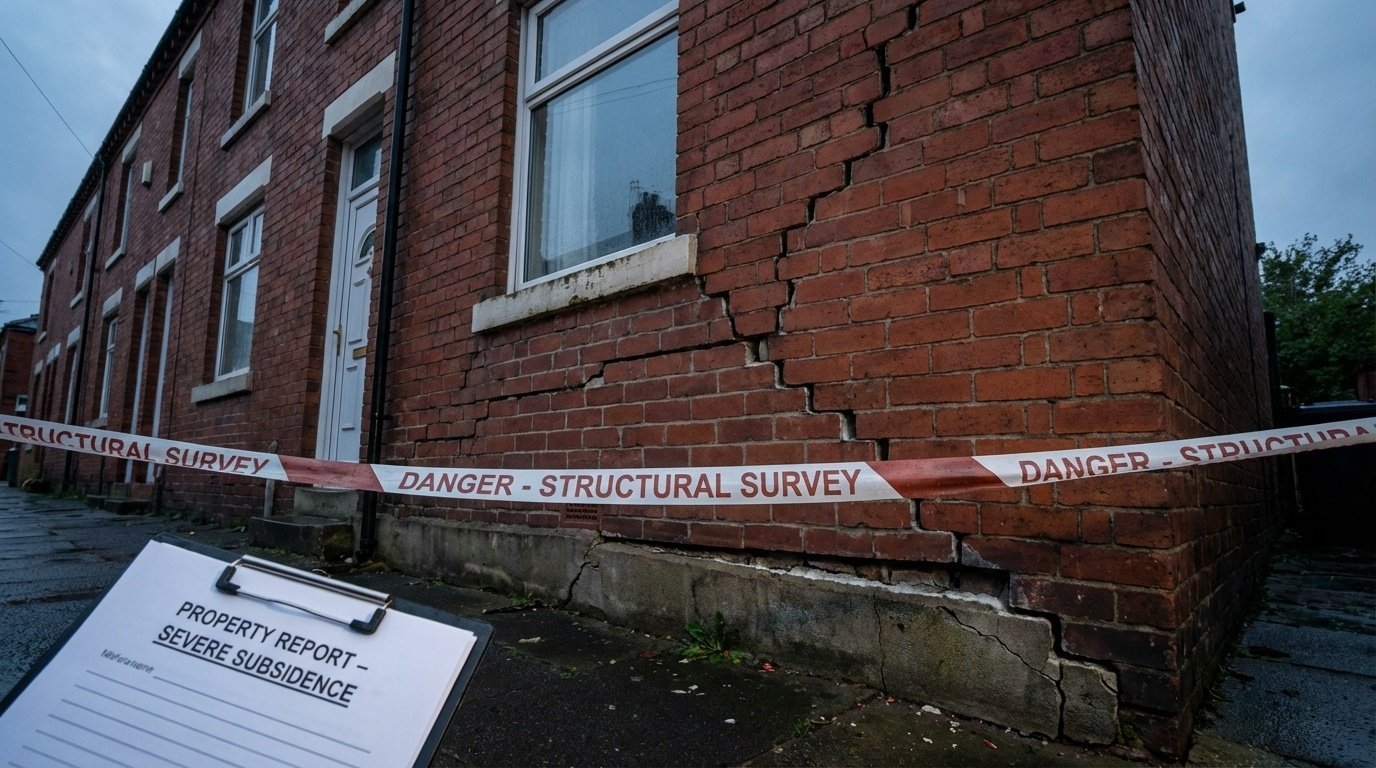
Ashford Surveyors understand that subsidence is one of the most serious structural problems a property can face, and it's also one of the most misunderstood. When you're buying a home in Kent, you need to know how chartered surveyors identify subsidence, what causes structural movement, and what it means for your investment. This comprehensive guide explains everything every buyer should know about subsidence and structural issues.
What Is Subsidence and Why Should Buyers Care?
Subsidence occurs when the ground beneath a building sinks or moves downward, causing the property's foundations to drop. This is different from settlement, which is normal minor movement that occurs in all properties as they adjust to the ground. Ashford Surveyors have seen subsidence affect properties throughout Kent and Southeast England, and we know that early detection by a professional surveyor is crucial.
As a chartered surveyor with years of experience, I've investigated dozens of subsidence cases. One memorable investigation involved a beautiful Victorian terrace in Ashford where the owners had dismissed hairline cracks as "normal settlement." When they contacted us for a building survey before selling, we discovered significant subsidence caused by a damaged drainage pipe that had been leaking for years. The ground had lost stability, and the foundations were failing. That survey saved the new buyers from a potentially catastrophic and costly problem.
The Financial Impact of Subsidence
Subsidence can dramatically affect property values and insurance premiums. According to the Association of British Insurers, subsidence claims average £15,000 to £30,000, though severe cases can exceed £100,000. Properties with a history of subsidence may also be difficult to sell or mortgage. That's why having a RICS surveyor conduct a thorough structural assessment is essential before you commit to purchase.
Common Causes of Subsidence in Kent Properties
1. Clay Soil Movement
The Southeast England region, including Kent, has extensive clay soil areas. Clay shrinks when it dries out and expands when wet. During hot, dry summers, clay soil can lose moisture and contract, causing the ground beneath foundations to sink. Ashford Surveyors assess soil conditions as part of every comprehensive building survey to identify subsidence risk factors.
2. Tree Root Damage
Large trees near properties are a leading cause of subsidence. Tree roots extract moisture from clay soil, causing it to shrink. Oak, willow, poplar, elm, and ash trees are particularly problematic. The British Standard recommends safe distances between trees and buildings based on species and mature height. Our chartered surveyors evaluate nearby vegetation and advise on potential subsidence risks from tree roots.
I once surveyed a 1930s semi-detached home in Tenterden where a mature oak tree stood just eight meters from the property. The homeowner loved the tree and couldn't understand why we were concerned. We explained that the tree's root system could extend beyond its canopy, drawing moisture from beneath the foundations. Sure enough, we found characteristic diagonal cracking indicating subsidence. The tree had to be removed and root barriers installed to prevent further movement.
3. Leaking Drains and Water Mains
Water leaking from damaged drainage pipes or water mains can wash away soil beneath foundations or cause clay soil to expand and contract repeatedly. This type of subsidence is particularly insidious because it's often hidden underground. Modern surveying equipment, including CCTV drain surveys, helps Ashford Surveyors identify these problems before they cause catastrophic foundation failure.
4. Mining and Ground Works
Historic mining activity, poorly compacted fill, or nearby excavation work can cause subsidence. In some areas of Kent, wartime bomb damage left underground voids that can collapse decades later. Professional surveyors research local history and ground conditions to assess these risks.
5. Poor Construction and Inadequate Foundations
Properties built on shallow foundations or without proper ground preparation are vulnerable to subsidence. Victorian and Edwardian properties often have shallow brick footings that don't extend below the frost line. Our building surveys evaluate foundation depth and construction quality to identify potential weaknesses.
How to Identify Subsidence: Warning Signs
Cracking Patterns That Indicate Structural Movement
Not all cracks indicate subsidence, but certain patterns are concerning:
- Diagonal cracks running at 45-degree angles from corners of windows and doors
- Stepped cracking following mortar lines in brickwork (looks like a staircase pattern)
- Vertical cracks near building corners, especially if wider than 3mm
- Cracks wider at the top than the bottom, indicating foundation drop
- Cracks appearing both inside and outside in the same location
A chartered surveyor from Ashford Surveyors uses specialist tools to measure crack width, monitor movement over time, and determine whether cracking is active (still moving) or historic (stable). We document every crack with photographs, measurements, and detailed notes in our survey reports.
Other Warning Signs of Subsidence
- Doors and windows sticking or not closing properly
- Gaps appearing between walls and ceilings or floors
- Rippling or bulging of internal walls
- Leaning or tilting walls, chimneys, or extensions
- Cracked floor tiles or skirting boards pulling away from walls
During one survey in Ashford, I noticed that an upstairs bedroom door wouldn't close properly. The homeowner assumed the door had swollen with moisture. However, when we measured the frame with a spirit level, we found it was tilted by several degrees—clear evidence of structural movement. Further investigation revealed subsidence caused by a leaking underground drainage pipe.
The Difference Between Subsidence, Settlement, and Heave
Settlement
Settlement is normal, minor movement that occurs in all buildings, particularly new constructions. It happens as the building's weight compresses the soil beneath. Settlement typically occurs within the first 10 years after construction and causes minor, hairline cracks that don't worsen over time. A qualified surveyor can distinguish between normal settlement and problematic subsidence.
Subsidence
Subsidence is downward movement caused by ground losing support beneath foundations. It's progressive and worsens over time if not addressed. Subsidence cracks are typically wider, deeper, and appear in characteristic patterns. RICS surveyors use monitoring equipment to track whether movement is active or stabilized.
Heave
Heave is the opposite of subsidence—upward ground movement that pushes foundations up. It's often caused by clay soil rehydrating after a tree has been removed, or by frost action. Heave causes horizontal cracking and can be just as damaging as subsidence. Our building surveys assess all types of structural movement to provide comprehensive property analysis.
What Happens During a Subsidence Investigation?
Initial Survey and Assessment
When Ashford Surveyors investigate potential subsidence, we conduct a thorough visual inspection of the entire property, inside and out. We examine all walls, floors, ceilings, and external features. We measure and photograph every crack, assess severity using standardized BRE (Building Research Establishment) damage categories, and identify patterns indicating the cause of movement.
Crack Monitoring
If we find evidence of structural movement, we may recommend crack monitoring. This involves installing tell-tales (small glass or plastic devices) across cracks to measure any continued movement. Monitoring typically continues for 6-12 months to determine whether movement is active or historic. This information is crucial for insurance claims and repair planning.
Ground Investigation
In some cases, we recommend specialist ground investigation including:
- Trial pits or boreholes to examine soil conditions and foundation depth
- CCTV drain surveys to check for leaking pipes
- Tree surveys by arboricultural specialists
- Level surveys to measure building distortion accurately
These specialist investigations provide detailed information about the cause and extent of subsidence, enabling accurate repair specification and insurance claim support.
Subsidence Repairs and Solutions
Addressing the Cause
The first step in subsidence repair is addressing the underlying cause:
- Tree management: Removing or pruning problematic trees, installing root barriers
- Drainage repairs: Fixing leaking pipes, improving surface water drainage
- Ground stabilization: Compacting fill, grouting voids
Foundation Repairs
Once the cause is addressed, foundation repairs may include:
- Underpinning: Extending foundations to a deeper, more stable level
- Mass concrete underpinning: Traditional method involving excavating beneath existing foundations in stages
- Piled underpinning: Driving mini-piles to transfer building load to deeper, stable ground
- Resin injection: Pumping expanding resin beneath foundations to stabilize and lift them
The repair method depends on the cause, severity, and soil conditions. Chartered surveyors specify appropriate repair methods based on detailed investigation findings.
Cosmetic Repairs
Once structural repairs are complete and movement has stabilized, cosmetic repairs address visible damage:
- Repointing brickwork
- Replacing damaged render
- Filling and redecorating internal cracks
- Realigning doors and windows
It's crucial to wait until movement has completely stopped before undertaking cosmetic repairs. Rushing this stage can result in cracks reopening.
Subsidence and Property Insurance
Making a Subsidence Claim
Most buildings insurance policies cover subsidence damage (though not settlement or ground heave caused by frost). To make a successful claim, you'll need:
- Professional surveyor's report documenting the damage
- Evidence of the cause (drain survey, tree survey, etc.)
- Monitoring data showing active movement
- Repair specification from a structural engineer
Ashford Surveyors provide comprehensive subsidence reports that insurance companies accept. We work with insurers, loss adjusters, and structural engineers to support your claim and ensure proper repairs.
Insurance Implications for Buyers
If you're buying a property with a history of subsidence, be aware that:
- Insurance premiums may be higher
- You may face a higher excess on subsidence claims
- Some insurers won't provide cover for properties with active subsidence
- You'll need to disclose subsidence history when selling
Always ask sellers for documentation of any previous subsidence issues, including repair details, insurance claims, and monitoring records. Our building surveys specifically investigate any disclosed subsidence history to ensure repairs were completed properly.
Buying a Property with Subsidence
Should You Walk Away?
Discovering subsidence during a survey doesn't necessarily mean you should abandon the purchase. It depends on:
- Whether the subsidence is active (still moving) or historic (stabilized)
- The severity of damage
- Whether the cause has been properly addressed
- The quality of any previous repairs
- Your risk tolerance and budget
If subsidence has been properly repaired and movement has stopped for several years, the property may be a sound investment, especially if the price reflects the history. However, active subsidence requiring ongoing repairs is a different matter. RICS surveyors provide clear, honest advice to help you make informed decisions.
Negotiating the Price
If you decide to proceed with a purchase after discovering subsidence, use your surveyor's report to negotiate a reduced price. Consider:
- Cost of required repairs
- Cost of continued monitoring
- Impact on future resale value
- Increased insurance costs
I've helped many clients negotiate significant price reductions when subsidence is discovered. In one case, we identified active subsidence requiring £40,000 of underpinning work. The buyer successfully negotiated a £60,000 price reduction to cover repairs and reflect the property's diminished value.
Preventing Subsidence in Your Property
Maintain Drainage Systems
Have drains inspected regularly, particularly in older properties. Clear gutters and downpipes to prevent water saturating ground near foundations. Fix leaks promptly.
Manage Trees Responsibly
Avoid planting large species trees too close to buildings. Follow British Standard BS5837 for safe distances. If you have mature trees near your property, have them inspected by an arboricultural surveyor. Consider removing or managing problematic trees before they cause damage.
Monitor for Warning Signs
Check your property regularly for new cracks or changes in existing ones. If you notice concerning signs, contact Ashford Surveyors promptly. Early detection of subsidence can prevent extensive damage and reduce repair costs.
Avoid DIY Foundation Work
Never excavate near foundations without professional advice. Even minor ground works can destabilize foundations and trigger subsidence. Consult a structural engineer before any work that affects the ground around your property.
Frequently Asked Questions About Subsidence
How do I know if my property has subsidence or just normal settling?
A professional RICS surveyor can distinguish between normal settlement and problematic subsidence by examining crack patterns, widths, and locations. Subsidence typically causes diagonal or stepped cracking wider than 3mm, especially near corners of windows and doors. Normal settlement causes minor hairline cracks that don't worsen over time. Ashford Surveyors use specialist equipment to measure and monitor cracks, providing definitive diagnosis.
What are the most common causes of subsidence in Kent properties?
In Kent, clay soil shrinkage during dry weather is the leading cause, often exacerbated by tree roots extracting moisture. Leaking drains washing away soil beneath foundations are also common. Our chartered surveyors assess all potential causes during building surveys to identify specific risks to your property.
How much does it cost to fix subsidence?
Subsidence repair costs vary dramatically depending on severity and cause. Minor repairs addressing drainage issues might cost £5,000-£10,000, while extensive underpinning can exceed £50,000-£100,000. Most repairs fall in the £15,000-£30,000 range. Buildings insurance typically covers subsidence damage (subject to your policy excess), making professional surveyor reports essential for successful claims.
Should I buy a house that has had subsidence in the past?
Buying a property with historic subsidence can be acceptable if: (1) repairs were completed properly by qualified professionals, (2) movement has stopped for several years, (3) the cause was identified and addressed, and (4) the price reflects the history. Ashford Surveyors provide detailed assessment of previous subsidence repairs to help you make an informed decision. Active, unrepaired subsidence requires much more careful consideration.
How long does subsidence monitoring take?
Subsidence monitoring typically takes 6-12 months to determine whether structural movement is active or has stabilized. Tell-tales or crack monitoring devices are installed across cracks and checked regularly. Seasonal variations mean monitoring should span different weather conditions. Our surveyors provide detailed monitoring services and interpret results for insurance claims or purchase decisions.
Will subsidence affect my property value and insurance?
Yes, subsidence can significantly affect property value, particularly if movement is active or repairs are incomplete. Even successfully repaired subsidence must be disclosed to buyers and may reduce value by 10-25%. Insurance premiums are often higher, and you may face increased excess on future subsidence claims. Some insurers won't cover properties with active subsidence. RICS surveyors provide honest advice about these implications.
Can subsidence be prevented?
While you can't prevent all subsidence, you can reduce risk significantly by: maintaining drainage systems, managing trees responsibly, monitoring for warning signs, and avoiding excavation near foundations. Regular property inspections by professional surveyors help detect problems early when they're less costly to address.
Why Choose Ashford Surveyors for Subsidence Assessment?
When you're concerned about subsidence, you need experienced RICS chartered surveyors who understand structural movement, geotechnical conditions, and the unique challenges of Kent properties. Ashford Surveyors bring:
- Extensive experience investigating subsidence throughout Kent and Southeast England
- Detailed knowledge of local soil conditions, historic ground works, and regional subsidence patterns
- Professional qualifications recognized by insurance companies and lenders
- Comprehensive reporting that supports insurance claims and purchase negotiations
- Clear, honest advice about subsidence severity, repair requirements, and property implications
- Ongoing monitoring services to track structural movement over time
We don't use scare tactics or recommend unnecessary work. We provide factual, evidence-based assessment of subsidence risk and clear guidance to protect your investment.
Next Steps: Get Professional Subsidence Assessment
If you're buying a property in Kent and want peace of mind about structural integrity, or if you've noticed concerning cracks in your current home, contact Ashford Surveyors today. Our comprehensive building surveys specifically assess subsidence risk, identify structural movement, and provide detailed guidance on any issues discovered.
Don't leave subsidence to chance. A professional survey by qualified RICS surveyors could save you tens of thousands of pounds and years of stress. We're here to provide the expert assessment and honest advice you need to make confident property decisions.
Schedule Your Subsidence Survey Today
Contact Ashford Surveyors for professional subsidence assessment and structural surveys throughout Kent.
Get Your Survey Quote