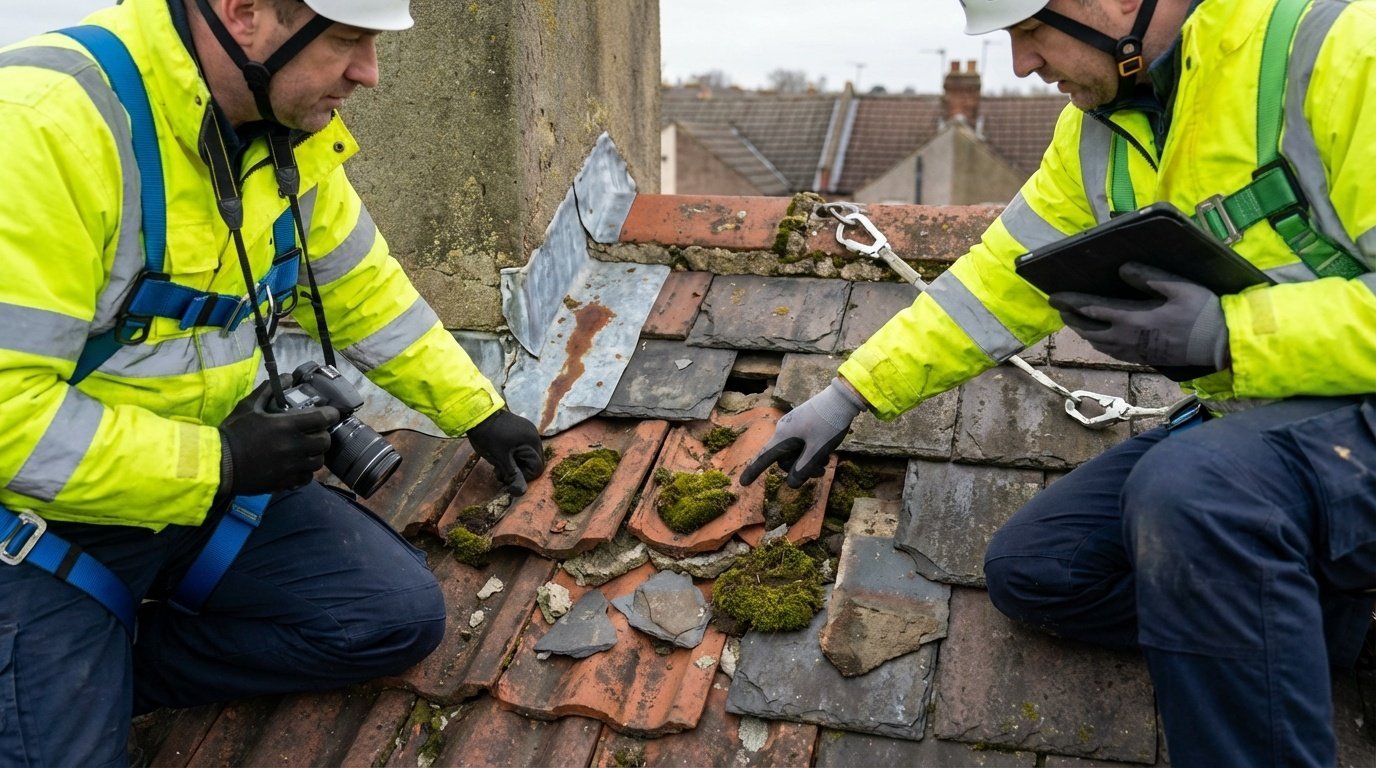
Common roof problems are among the most significant defects that Ashford Surveyors identify during building surveys. Your roof is your property's first defense against the elements, yet roof issues are frequently overlooked by buyers until a professional chartered surveyor inspects the property. This comprehensive guide explains the most common roof problems found in building surveys, how to identify them, typical repair costs, and why a thorough RICS survey is essential before purchasing any property in Kent or across the UK.
Why Roof Condition Matters in Property Surveys
The roof is one of the most expensive components of any property to repair or replace. A typical roof replacement can cost £5,000-£15,000 for a standard semi-detached house, and up to £30,000+ for larger properties or those with complex roof structures. Ashford Surveyors have seen countless cases where buyers discovered serious roof problems after purchase that could have been identified during a proper building survey.
During one memorable survey in Maidstone, I inspected a charming 1930s semi-detached house that appeared perfect from ground level. However, when I accessed the roof space and examined the roof covering closely, I discovered extensive nail sickness (corroded nails causing slates to slip), widespread moss growth indicating poor drainage, and significant water damage to roof timbers. The estimated repair cost exceeded £12,000. The buyers used our survey report to renegotiate the purchase price, saving more than enough to cover the repairs and our survey fee many times over.
What Surveyors Examine During Roof Inspections
When RICS surveyors conduct building surveys, we examine roofs comprehensively:
- Roof covering: Tiles, slates, or other materials for damage, deterioration, or missing elements
- Roof structure: Timbers, trusses, and supports for defects, movement, or decay
- Flashings: Metal weatherproofing around chimneys, valleys, and junctions
- Gutters and drainage: Rainwater disposal systems for blockages or damage
- Roof space: Insulation, ventilation, and any signs of water ingress
- Chimneys: Structural condition and weatherproofing
- Flat roof areas: Covering condition and drainage
Professional surveyors use binoculars, ladders (where safe access permits), and roof space inspections to assess roof condition thoroughly. We don't just look from ground level—we investigate properly to identify issues that casual observers miss.
The 10 Most Common Roof Problems Found in Surveys
1. Slipped, Missing, or Damaged Tiles and Slates
This is the most frequently identified roof problem in building surveys. Roof coverings deteriorate over time due to weathering, freeze-thaw cycles, and general aging. Common issues include:
- Slipped tiles/slates: Individual tiles slip out of position due to failed fixings or broken nibs
- Cracked or broken tiles: Impact damage, foot traffic during maintenance, or weathering
- Missing tiles: Blown off during storms or removed for access and not replaced
- Nail sickness: Corroded fixings allowing tiles to slip (common in older properties)
Typical repair cost: Individual tile replacement costs £50-£150 per tile depending on type and access. However, widespread slippage may indicate the entire roof covering needs renewal (£5,000-£15,000+).
During a recent survey of a Victorian terrace in Ashford, I noticed several slipped slates from ground level. Upon closer inspection from roof level, I discovered that nearly 30% of slates showed signs of nail sickness. This wasn't just a case of replacing a few slates—the entire roof covering needed renewal within the next few years. Our detailed report enabled the buyers to negotiate a significant price reduction and budget appropriately.
2. Defective or Missing Flashings
Flashings are metal (usually lead or zinc) weatherproofing strips used at roof junctions, around chimneys, at valleys, and where roofs meet walls. Flashing defects are a leading cause of roof leaks:
- Cracked or split lead: Lead work can crack with age or thermal movement
- Inadequate upstands: Flashings not extending far enough up walls or chimneys
- Poor detailing: Incorrectly installed flashings that allow water penetration
- Missing sections: Flashings removed (sometimes stolen) or never properly installed
- Corroded soakers: Small pieces of flashing between tiles at abutments
Typical repair cost: Re-flashing a chimney costs £400-£800. Valley re-lining ranges from £800-£1,500. Complete roof flashing renewal can exceed £2,000-£4,000 for larger properties.
I once surveyed a 1960s detached house in Canterbury where the previous owner had installed a conservatory but failed to provide adequate flashing where it joined the main house. Water was penetrating the wall, causing damp damage to internal plasterwork. The repair required proper lead flashing installation costing around £600, plus internal repairs. This common oversight demonstrates why professional building surveys are essential.
3. Valley Gutter Problems
Valley gutters—the V-shaped junctions where two roof slopes meet—are particularly vulnerable to defects. Water concentrates in valleys, making them prone to:
- Blocked valleys: Debris accumulation preventing proper drainage
- Corroded or split linings: Lead, zinc, or fiber cement valley linings deteriorate
- Inadequate lining material: Cement fillets instead of proper metal lining
- Insufficient fall: Valleys that don't drain properly, leading to pooling water
Typical repair cost: Valley gutter re-lining typically costs £800-£1,500 per valley depending on length and accessibility.
Ashford Surveyors always pay particular attention to valleys during roof inspections. We've seen numerous properties where valley problems have caused extensive internal damage due to long-term water ingress. Prevention through early identification during surveys saves buyers significant expense and hassle.
4. Inadequate Roof Ventilation
Modern insulation standards combined with insufficient roof space ventilation create condensation problems. Signs of ventilation issues include:
- Condensation in roof space: Water droplets on roofing felt or timbers
- Mold growth: Black mold on roof timbers or felt
- Timber decay: Wet rot in roof structure due to condensation
- Insulation damage: Wet or compressed insulation losing effectiveness
Typical repair cost: Installing adequate roof ventilation costs £300-£800 depending on the ventilation system required (tile vents, ridge vents, or eaves vents).
I frequently find condensation issues in roof spaces, particularly in properties where loft insulation has been topped up without considering ventilation. During one survey of a 1980s house, I discovered the roof space was effectively sealed with no ventilation, leading to severe condensation and timber decay. The solution involved installing tile vents and ensuring proper eaves ventilation—a relatively inexpensive fix that prevented thousands of pounds of timber replacement costs.
5. Defective or Blocked Gutters and Downpipes
Rainwater disposal systems are critical for roof performance. Common gutter problems include:
- Blocked gutters: Leaves, moss, and debris preventing proper drainage
- Leaking joints: Failed seals between gutter sections
- Sagging gutters: Inadequate support causing ponding and overflow
- Corroded or damaged gutters: Cast iron gutters can corrode; plastic gutters become brittle
- Inadequate capacity: Undersized gutters for roof area
- Blocked downpipes: Preventing water from draining away
Typical repair cost: Gutter cleaning costs £70-£150. Individual gutter section replacement costs £30-£60 per meter. Complete gutter replacement ranges from £400-£1,500 depending on property size and gutter type.
Defective gutters are one of the most common yet easily preventable roof problems. Water overflow from blocked or leaking gutters can saturate walls, leading to damp penetration, render damage, and even foundation issues. During surveys, we always check gutters carefully and note any defects that could cause problems.
6. Chimney Stack Defects
Redundant chimney stacks are often neglected, yet they remain vulnerable to deterioration:
- Defective pointing: Mortar between bricks deteriorating, allowing water penetration
- Leaning or unstable stacks: Structural movement requiring stabilization or rebuild
- Missing or damaged chimney pots: Allowing rain entry
- Defective flashings: Failed weatherproofing at roof/chimney junction
- Frost damage: Spalling brickwork due to freeze-thaw cycles
- Uncapped flues: Rain entering unused chimneys causing internal damp
Typical repair cost: Repointing costs £300-£600. Chimney rebuild above roof level costs £800-£2,000. Complete stack removal costs £1,500-£3,000 including making good the roof.
I once surveyed an Edwardian property in Tenterden where the chimney stack was visibly leaning. Using a spirit level, I measured a significant deviation from vertical. The stack required complete rebuilding for safety. The cost exceeded £2,500, but discovering this during the survey allowed the buyers to negotiate and budget appropriately rather than facing an emergency repair after purchase.
7. Flat Roof Deterioration
Flat roofs (actually slightly pitched for drainage) are common over extensions, garages, and dormer windows. They typically have shorter lifespans than pitched roofs and present specific problems:
- Bitumen felt deterioration: Blistering, cracking, or splitting of felt covering
- Pooling water: Inadequate falls causing standing water
- Failed seams: Joints between felt sections leaking
- Upstand defects: Failed weatherproofing at wall junctions
- Surface crazing: Protective mineral layer worn away
Typical repair cost: Flat roof re-covering costs £40-£90 per square meter depending on covering type. A typical single-story extension flat roof (15-20 square meters) costs £800-£1,800 to recover.
Flat roofs generally last 10-20 years depending on material and installation quality. During surveys, chartered surveyors assess flat roof condition and estimate remaining lifespan. Modern alternatives like GRP (fiberglass) or EPDM rubber offer better longevity than traditional felt.
8. Moss and Biological Growth
Moss, algae, and lichen growth on roof coverings is common, particularly on north-facing slopes and in shaded areas:
- Moss accumulation: Retains moisture against roof covering
- Blocked drainage: Growth preventing water running off properly
- Tile damage: Moss roots can damage tile surfaces
- Increased weight: Heavy moss growth adds load to roof structure
Typical repair cost: Professional moss removal costs £200-£500 depending on property size. Biocide treatment to prevent regrowth costs £150-£300.
While moss doesn't always indicate serious problems, heavy growth suggests poor drainage or shaded conditions. We recommend moss removal and improved drainage to prevent accelerated tile deterioration. I always note significant moss growth in survey reports as it can indicate other underlying drainage issues.
9. Roof Spread and Structural Movement
Roof structure problems are among the most serious defects surveyors identify:
- Roof spread: Rafters pushing walls outward due to inadequate ties or ridge support
- Sagging ridge: Central ridge beam dropping due to inadequate support
- Rafter deflection: Undersized or weakened rafters sagging
- Purlin failure: Supporting beams showing excessive deflection
- Wall plate movement: Timber plate supporting rafters has moved
Typical repair cost: Structural repairs vary widely. Installing roof ties costs £1,000-£3,000. Major structural strengthening can exceed £5,000-£10,000.
During a survey of a Victorian cottage in Ashford, I noticed the ridge line had a slight sag visible from ground level. In the roof space, I found that the original roof structure lacked adequate central support, causing progressive spread. The structural engineer we recommended specified steel ties to restrain the spread. Early identification prevented potential collapse and protected the buyers from a dangerous and expensive problem.
10. Rot and Insect Infestation in Roof Timbers
Timber roof structures are vulnerable to biological attack:
- Wet rot: Timber decay in persistently damp conditions (often from roof leaks)
- Dry rot: More serious fungal attack that can spread rapidly
- Woodworm (beetle) infestation: Active or historic beetle activity in roof timbers
- Compromised structural integrity: Timber strength reduced by decay or infestation
Typical repair cost: Treatment for beetle infestation costs £400-£1,200 for roof spaces. Replacing damaged timbers adds £1,000-£5,000+ depending on extent. Dry rot treatment and timber replacement can exceed £3,000-£8,000.
RICS surveyors examine roof timbers for signs of rot or beetle activity during roof space inspections. Fresh flight holes, bore dust, or soft timber indicate active problems requiring specialist treatment. I once discovered extensive wet rot in roof timbers caused by a long-term roof leak. The timbers had lost structural integrity and required replacement costing over £4,000. The survey saved the buyers from purchasing a property with hidden structural problems.
How Surveyors Assess Roof Condition
Visual Inspection from Ground Level
All building surveys include thorough ground-level roof inspection using binoculars. We examine:
- Overall roof line for sagging or distortion
- Roof covering condition and any obvious defects
- Chimneys for stability and condition
- Flashings and valleys for obvious problems
- Gutters and rainwater disposal systems
Roof Space Inspection
Accessing the roof space (where available) allows surveyors to examine:
- Roof structure and timber condition
- Underside of roof covering for damage or deterioration
- Signs of water ingress (staining, damp patches)
- Insulation type, depth, and condition
- Ventilation adequacy
- Services routed through the roof space
Close Inspection (When Safe and Accessible)
Where safe access is possible, surveyors may inspect roofs more closely using ladders. This allows detailed examination of:
- Individual tile/slate condition
- Flashing detailing
- Valley condition
- Ridge and hip tiles
- Flat roof areas
Safety note: Surveyors only access roofs where it's safe to do so. Steep roofs, wet conditions, or unsafe access may limit inspection scope. We always note limitations in survey reports.
Roof Problem Warning Signs You Can Spot
Before commissioning a professional survey from Ashford Surveyors, look for these warning signs during property viewings:
External Signs
- Sagging or uneven roof lines
- Missing, slipped, or damaged tiles/slates visible from ground
- Heavy moss or lichen growth
- Damaged or missing flashings
- Leaning chimney stacks
- Damaged or overflowing gutters
- Visible flat roof deterioration (blistering, cracking)
Internal Signs
- Water staining on ceilings (particularly near chimneys or valleys)
- Damp patches in upper floor rooms or roof spaces
- Mold growth on upper floor ceilings
- Buckets or containers catching leaks
- Recent repairs or patching suggesting previous problems
- Musty odors in top floor rooms
If you notice any of these signs, mention them to your surveyor so we can investigate thoroughly during the building survey.
Repair or Replace? Making the Decision
When roof problems are identified during surveys, buyers face the decision: repair or replace?
When Repairs Are Appropriate
- Limited damage to otherwise sound roof covering
- Localized problems (a few slipped tiles, damaged flashing in one area)
- Relatively modern roof covering with significant remaining lifespan
- Budget constraints make replacement unaffordable immediately
When Replacement Is Necessary
- Widespread deterioration (nail sickness, extensive damage)
- Roof covering at or beyond expected lifespan
- Underlying structural problems requiring access
- Ongoing repairs becoming uneconomical
- Planning to stay in the property long-term
Chartered surveyors provide honest advice about whether repairs or replacement represent better value. We consider the roof's age, condition, remaining lifespan, and cost-effectiveness of different approaches.
Typical Roof Repair and Replacement Costs
Understanding typical costs helps buyers budget appropriately:
| Repair Type | Typical Cost Range |
|---|---|
| Individual tile/slate replacement | £50-£150 per tile |
| Gutter cleaning | £70-£150 |
| Gutter replacement (semi-detached house) | £400-£800 |
| Chimney re-pointing | £300-£600 |
| Chimney rebuild above roof level | £800-£2,000 |
| Chimney re-flashing | £400-£800 |
| Valley re-lining | £800-£1,500 per valley |
| Flat roof re-covering (extension/garage) | £800-£1,800 |
| Roof ventilation installation | £300-£800 |
| Moss removal and treatment | £200-£500 |
| Complete roof replacement (semi-detached) | £5,000-£10,000 |
| Complete roof replacement (detached house) | £8,000-£15,000 |
| Structural roof repairs | £1,000-£10,000+ |
Note: Costs are approximate and vary based on property location, accessibility, materials specified, and contractor rates. Always obtain multiple quotes for major works.
Frequently Asked Questions
Can surveyors access all roofs during surveys?
No, surveyors can only access roofs where it's safe to do so. Steep pitched roofs, wet conditions, inadequate access equipment, or unsafe roof coverings limit access. All RICS surveyors note inspection limitations in reports. Even without roof-level access, experienced surveyors can identify most problems using binoculars, roof space inspection, and professional judgment.
Should I walk away from a property with roof problems?
Not necessarily. Many roof problems are repairable at reasonable cost. The key is understanding the extent and cost of required works before committing to purchase. Use survey findings to negotiate price reductions or request repairs before completion. Ashford Surveyors provide clear advice about problem severity to help you make informed decisions.
How long do different roof types last?
Natural slate roofs can last 80-100+ years; concrete tiles typically 40-60 years; clay tiles 50-80 years; traditional felt flat roofs 10-20 years; modern GRP or EPDM flat roofs 25-30+ years. Actual lifespan depends on installation quality, maintenance, and exposure. Our building surveys assess roof age and estimate remaining lifespan to help buyers plan for future replacement.
Does moss on roofs always indicate problems?
Moss doesn't always mean serious problems, but it does indicate areas requiring attention. Light moss growth is common, particularly on north-facing slopes. However, heavy moss accumulation retains moisture against tiles, can block drainage, and may accelerate tile deterioration. We recommend removal and treatment. Heavy moss sometimes indicates underlying drainage problems that need addressing.
What's the most expensive roof problem to fix?
Complete roof replacement is the most expensive repair, typically costing £5,000-£15,000+ for residential properties. However, serious structural problems requiring major strengthening works can exceed this. Dry rot in roof timbers requiring extensive treatment and timber replacement can also be very costly. Early identification through professional building surveys prevents problems escalating to this level.
Can I claim roof repairs on insurance?
Buildings insurance typically covers sudden, unexpected damage from storms, falling trees, or impacts. However, insurance generally doesn't cover gradual deterioration, lack of maintenance, or pre-existing defects. If you discover roof problems shortly after purchase, the previous owner's failure to disclose known defects might provide legal recourse. This is why pre-purchase building surveys from qualified chartered surveyors are essential.
How often should roofs be inspected?
Homeowners should visually inspect roofs from ground level at least twice annually (spring and autumn). Professional inspections by RICS surveyors are recommended every 5-10 years for maintenance planning, or when buying/selling property. After severe storms, inspect roofs promptly for damage. Regular inspection and maintenance prevent minor issues becoming major problems.
Why Choose Ashford Surveyors for Building Surveys?
When you need a comprehensive building survey that thoroughly assesses roof condition, Ashford Surveyors provide:
- Thorough roof inspections: We examine roofs comprehensively from ground level, roof space, and roof level where safely accessible
- Experienced chartered surveyors: RICS accredited professionals with extensive roof inspection experience
- Detailed reporting: Clear descriptions of identified problems, severity assessment, and repair recommendations
- Cost estimates: Realistic guidance on repair or replacement costs
- Honest advice: Clear guidance about problem severity to inform your purchase decision
- Local knowledge: Understanding of Kent property characteristics and common regional issues
- Professional photography: Detailed images documenting identified defects
We've surveyed thousands of properties throughout Ashford, Maidstone, Canterbury, and across Kent. Our roof inspection expertise has saved countless buyers from expensive surprises and helped them negotiate better purchase terms.
Conclusion: Roof Problems and Your Property Purchase
Common roof problems identified during building surveys range from minor maintenance issues costing hundreds of pounds to major structural defects requiring tens of thousands to repair. The key to successful property purchase is understanding roof condition before you commit.
A comprehensive Level 3 building survey from experienced RICS chartered surveyors provides the detailed roof assessment you need to:
- Identify existing problems and potential future issues
- Budget accurately for required repairs or replacements
- Negotiate purchase price reductions to cover identified works
- Make informed decisions about whether to proceed with purchase
- Plan maintenance and improvement priorities after purchase
Don't gamble with your biggest financial investment. The cost of a professional building survey is minimal compared to the potential cost of undiscovered roof problems. Contact Ashford Surveyors today to arrange a comprehensive property survey that gives you complete peace of mind about roof condition.
Book Your Building Survey Today
Contact Ashford Surveyors for thorough building surveys including comprehensive roof inspections throughout Kent.
Request Your Survey Quote